

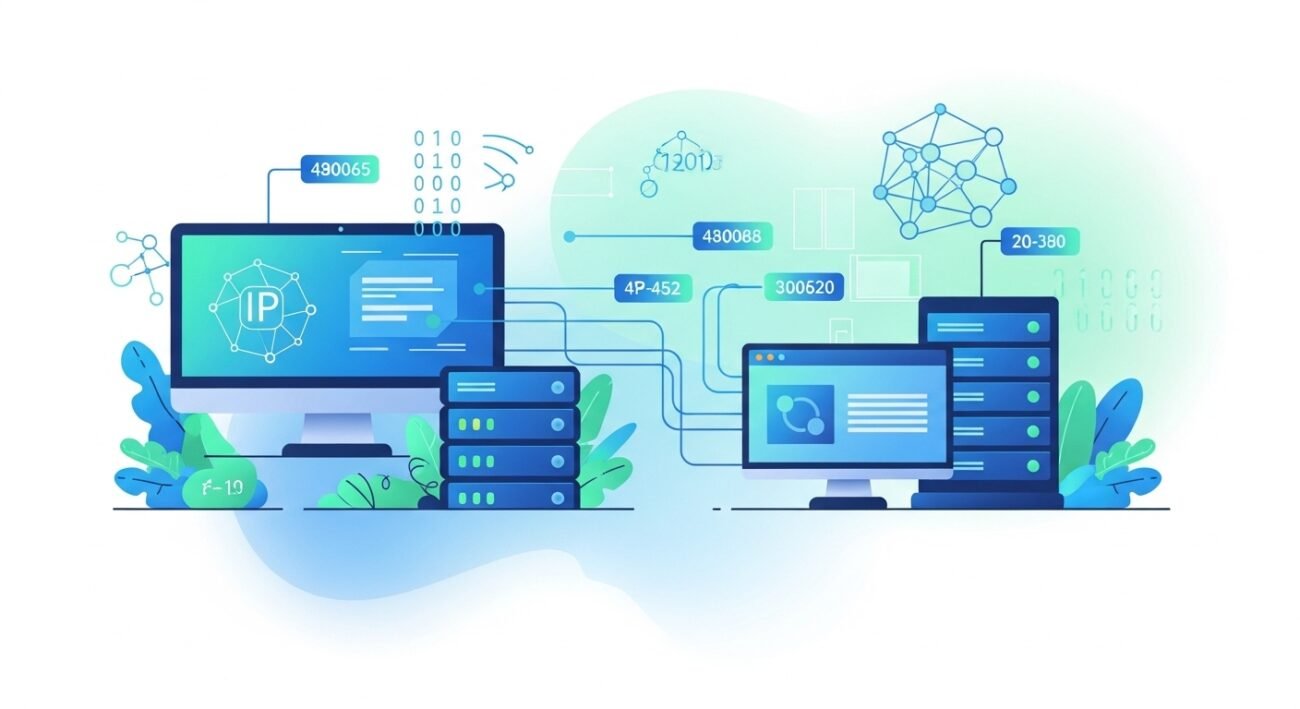
Introduction to 125.16.12.98.1100
In the digital world, IP addresses play a critical role in identifying devices, managing internet communication, and supporting secure online connections. One keyword that has recently gained attention is 125.16.12.98.1100. Many users search for this term to understand whether it represents an IP address, server identifier, or a network-related value.
Understanding technical terms like 125.16.12.98.1100 is important because internet security, network management, and online privacy depend heavily on IP-based systems. Whether you are a beginner learning about networking or someone curious about server identification, this guide will explain everything in simple language.
This article covers the meaning of 125.16.12.98.1100, how IP addresses work, cybersecurity risks, server communication, and why network identifiers matter.
What Is 125.16.12.98.1100?
The keyword 125.16.12.98.1100 appears to resemble an IP-related network string. Normally, IP addresses follow a structured format that helps identify devices connected to the internet.
An IP address typically helps in:
- Device identification
- Network communication
- Location routing
- Data transfer
- Server access
Although 125.16.12.98.1100 may not follow the standard format exactly, it could represent a custom server path, network port reference, or digital tracking identifier.
Understanding IP Addresses
IPv4 Basics
IPv4 is the most common IP format.
Example:
125.16.12.98
It consists of four number groups separated by dots.
Each number ranges from:
0 to 255
This system allows billions of unique addresses.
IPv6 Basics
IPv6 is the modern version designed for larger internet growth.
It uses a longer format for expanded capacity.
How 125.16.12.98.1100 Might Be Structured
The keyword may break into:
- 125.16.12.98 = possible IP address
- 1100 = possible port number
Ports are used to direct traffic to specific services.
For example:
- Port 80 = HTTP
- Port 443 = HTTPS
- Port 21 = FTP
- Port 25 = Email
This suggests 125.16.12.98.1100 could represent a server endpoint.
Why IP Addresses Matter
Device Identification
Every internet-connected device needs an IP.
This helps:
- Send data
- Receive data
- Connect to websites
Network Communication
Without IP addresses, devices could not communicate properly.
Internet Security
IP tracking helps detect suspicious activity.
125.16.12.98.1100 and Network Security
Identifying Suspicious Traffic
Unknown IP patterns can indicate:
- Spam servers
- Unauthorized access
- Malware activity
- Data scraping
Firewall Protection
Firewalls can block risky IPs.
Benefits:
- Prevent hacking
- Reduce spam
- Protect networks
Monitoring Connections
IT professionals monitor IP logs for unusual activity.
125.16.12.98.1100 and Server Ports
What Are Ports?
Ports are communication channels inside an IP.
They help direct traffic.
Examples:
- Web browsing
- Email delivery
- File transfers
Port 1100 Usage
Port 1100 may be used for custom applications or private server systems.
Why Ports Matter
Ports allow multiple services to operate under one IP.
How to Check an IP Like 125.16.12.98.1100
Use IP Lookup Tools
IP lookup tools can show:
- Country
- ISP
- Hosting provider
- Domain association
Use Port Scanners
Port scanners help identify open services.
Check Blacklists
Spam databases may list suspicious IPs.
Cybersecurity Risks of Unknown IPs
Hacking Attempts
Suspicious IPs may attempt:
- Login attacks
- Bot activity
- Data theft
Malware Communication
Some malware connects to hidden servers.
Phishing Operations
Fraudulent systems may use unusual IP routes.
How Businesses Use IP Tracking
Website Analytics
Businesses track visitor IPs for:
- Traffic analysis
- Geographic data
- User behavior
Fraud Detection
IP patterns help detect suspicious transactions.
Security Monitoring
Companies use IP logs for internal security.
125.16.12.98.1100 in Web Hosting
Server Access
Hosting providers assign IPs to servers.
Domain Mapping
Domains connect to IP addresses.
Traffic Routing
IPs guide internet traffic correctly.
Difference Between Public and Private IPs
Public IP
Visible on the internet.
Used for:
- Websites
- Online services
- Cloud servers
Private IP
Used inside local networks.
Examples:
- Home WiFi
- Office LANs
How Hackers Exploit IPs
DDoS Attacks
Attackers may flood servers using IP targets.
Port Exploitation
Open ports can expose weaknesses.
Brute Force Attacks
Repeated login attempts often target known IPs.
Protecting Yourself from Suspicious IPs
Use Strong Firewalls
Firewalls help filter unwanted traffic.
Monitor Logs
Check server logs regularly.
Update Security Software
Outdated systems are easier to exploit.
Block Unknown Ports
Close unused ports to reduce risk.
125.16.12.98.1100 and Digital Forensics
Digital investigators use IP data for:
- Tracking attacks
- Identifying locations
- Monitoring threats
This helps improve cybersecurity response.
Common Tools for IP Analysis
Popular tools include:
- WHOIS lookup
- Ping tools
- Traceroute
- DNS checkers
- Port scanners
These tools help verify network details.
Future of IP Tracking and Security
AI-Based Monitoring
Artificial intelligence can detect unusual patterns faster.
Better Threat Detection
Advanced systems improve security.
IPv6 Growth
Future internet expansion will depend heavily on IPv6.
Why 125.16.12.98.1100 Matters
The keyword 125.16.12.98.1100 may seem technical, but understanding such network identifiers is important for:
- Cybersecurity
- Hosting
- Server management
- Fraud prevention
- Digital privacy
It highlights how internet systems work behind the scenes.
Conclusion
The growing interest in 125.16.12.98.1100 shows that more users are becoming curious about internet infrastructure and cybersecurity. Whether this keyword represents an IP address, port combination, or custom server path, it offers a useful opportunity to learn about digital networking.
By understanding how IPs work, how ports function, and how security systems monitor suspicious activity, users can improve their online awareness and 125.16.12.98.1100 protect their digital assets. As the internet continues evolving, network knowledge will remain one of the most valuable technical skills in the digital age.














Leave a Reply