

Introduction
Fashion may begin with a sketch, a fabric, or a creative idea, but turning that idea into a successful business requires far more than good design. Behind every runway collection, luxury handbag, sneaker launch, department-store display, and fashion label is a complex network of designers, manufacturers, retailers, investors, executives, journalists, buyers, and consumers. Understanding this larger ecosystem is what makes the Business of Fashion such a fascinating subject.
The phrase Business of Fashion can describe the commercial side of the fashion industry as a whole, but it is also closely associated with The Business of Fashion, commonly known as BoF, a global media and intelligence company focused on fashion, beauty, and luxury. Founded by Imran Amed in 2007, BoF began as a personal project intended to make the business side of fashion easier to understand. It has since developed into an international platform providing journalism, research, professional education, career resources, events, and industry analysis.
What makes this subject especially interesting is that fashion sits at the intersection of creativity and commerce. A designer may create a beautiful collection, but a company still has to decide how many pieces to produce, where to manufacture them, what price to charge, which markets to enter, and how the collection should be presented to customers. At the same time, cultural changes, economic conditions, technology, consumer preferences, and global events can completely reshape what people want to buy.
What Is the Business of Fashion?
The Business of Fashion refers to the commercial ecosystem that allows fashion products and brands to move from an idea to the customer. It includes design, sourcing, manufacturing, wholesale, retail, luxury, marketing, merchandising, finance, logistics, talent, and consumer behavior. Each part of the process affects the others.
Consider a simple example: a fashion company decides to launch a new jacket. The design team develops the silhouette and selects materials. Buyers and merchandising teams estimate demand. Production teams find factories and arrange manufacturing. Financial teams calculate costs and margins. Retail teams decide where the jacket will be sold. The company then has to manage inventory, customer expectations, returns, and future collections.
That process becomes considerably more complicated for an international brand. A company may design products in Paris, source materials from several countries, manufacture in Asia or Europe, distribute through warehouses in multiple regions, and sell through stores and online channels around the world. Currency changes, shipping costs, local regulations, tariffs, and consumer preferences can all influence the final result.
Creativity Meets Commercial Discipline
One of the most distinctive Business of Fashion characteristics of fashion is the tension between creativity and commercial reality. Designers are often encouraged to experiment, challenge expectations, and create something memorable. Businesses, however, need products that customers will actually purchase.

The strongest fashion companies usually find a balance between these two forces. A collection can be imaginative without becoming impossible to sell. Similarly, a commercially successful product can still have a recognizable creative identity.
This balance explains why fashion executives often study both culture and numbers. Sales data can show which products are performing well, but cultural awareness can explain why customers are becoming interested in a particular silhouette, color, material, or brand.
The Rise of The Business of Fashion
The modern Business of Fashion platform emerged from a simple observation: fashion was a huge global industry, yet much of its business activity was difficult for outsiders to understand. Imran Amed began writing about the fashion business in London in 2007 after working as a management consultant. His early writing explored the relationship between creativity, commerce, technology, and the changing structure of the industry.
What began as a blog gradually attracted a larger professional audience. BoF’s development reflected a broader transformation taking place in fashion itself. Technology was changing how brands communicated with customers, social media was altering cultural influence, and emerging markets were becoming increasingly significant. Fashion was no longer simply about seasonal Business of Fashion collections and traditional magazines; it was becoming an increasingly complicated global business.
Today, BoF describes itself as a global media and intelligence company serving the fashion, beauty, and luxury industries. Its work includes journalism, professional membership, career resources, research, advisory services, and events. The organization says its mission is to open, inform, and connect the global fashion and beauty industries.
Why Industry Intelligence Matters
Fashion professionals need information that goes beyond Business of Fashion celebrity appearances and runway photographs. A brand executive may want to understand consumer behavior in a particular country. An investor may want to assess whether a fashion company has long-term potential. A designer may want to understand changing retail patterns. A young professional may need information about career opportunities.
This is where specialized fashion intelligence becomes valuable. BoF Insights, for example, provides research and advisory services covering areas such as strategy, market expansion, brand positioning, consumer insights, and investment-related decisions.
The importance of this type of information reflects a larger reality: fashion decisions increasingly require a combination of creativity, commercial judgment, cultural understanding, and reliable evidence.
How Fashion Brands Make Money
The financial structure of fashion varies dramatically from one company to another. A small independent designer may depend on direct-to-consumer sales, boutiques, Business of Fashion and limited collections, while a global luxury company can operate through hundreds of stores, wholesale partners, licensing arrangements, accessories, beauty products, and international markets.
Pricing is one of the most important decisions. A garment’s final price has to account for materials, labor, manufacturing, transportation, duties, retail costs, employees, stores, administration, and other expenses. But price is also connected to brand perception. Two products with similar manufacturing costs can sell at dramatically different prices because consumers may value their brands differently.
Luxury provides an especially clear example. Customers are not necessarily paying only for fabric and manufacturing. They may also be paying for craftsmanship, heritage, scarcity, design reputation, store experience, cultural recognition, and the emotional meaning associated with the brand.
The Role of Retail
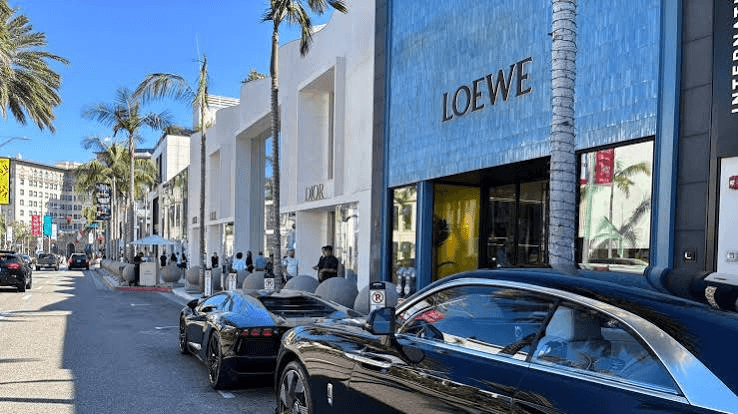
Retail remains a central part of the fashion economy. Physical stores allow brands to control presentation and create experiences that cannot always be reproduced online. Store location, architecture, staff interaction, product arrangement, lighting, and even scent can influence how customers perceive a brand.
Online commerce has added another layer. Customers can compare products, prices, sizes, reviews, and availability without visiting a store. This has forced fashion companies to think carefully about how physical and digital shopping experiences complement one another.
Some brands operate primarily through their own stores and online channels. Others depend heavily on department stores, specialty retailers, marketplaces, or wholesale partners. The right combination depends on the brand’s size, positioning, customer base, and strategic goals.
Technology Is Changing Fashion Business
Technology has become deeply integrated into the Business of Fashion, affecting everything from product development to customer service. Designers can use digital tools to develop concepts, manufacturers can use advanced systems to improve production, and companies can analyze customer behavior to make more informed decisions.
Artificial intelligence is another emerging influence. Fashion companies are experimenting with AI for forecasting, customer segmentation, product development, brand Business of Fashion analysis, and operational decision-making. BoF Insights, for example, has developed AI-powered tools intended to help brands understand performance and consumer conversations.
Technology does not eliminate the creative side of fashion. Instead, it can change how creative decisions are made. A designer might use digital visualization to test an idea before producing a physical sample. A retailer might study demand patterns before committing to large quantities. A brand might analyze customer conversations to understand how people perceive a new collection.
Digital Fashion and Changing Consumer Expectations
Consumers have also changed because of technology. People can discover a new brand through a short video, see an outfit worn by a creator, compare products instantly, and make a purchase within minutes. The distance between discovering fashion and buying it has become much shorter.
This creates both opportunities and pressure. A small brand can potentially reach customers far beyond its home market, but it may also find itself competing with thousands of other labels. Speed has increased, but so has competition for attention.
The fashion business therefore has to respond to a customer who expects convenience while still appreciating authenticity, creativity, quality, and individuality.
Sustainability, Resale, and the Future of Fashion
Sustainability has become one of the most significant conversations within the Business of Fashion. Fashion companies face questions about materials, production, waste, transportation, labor conditions, packaging, and product longevity.
Consumers are also becoming more interested in what happens to clothing after the first purchase. This has helped create greater attention around resale, repair, vintage fashion, rental, and circular business models. BoF Insights has specifically examined the expansion of online resale and the increasing interest of brands and retailers in building resale strategies.
Resale can change the traditional relationship between a brand and its product. Instead of viewing a garment as something that has value only when first sold, companies can think about its entire life cycle. A well-made handbag, coat, or pair of shoes may have multiple owners and retain value long after its original purchase.
Building Longer-Lasting Brands
The future of fashion may increasingly reward companies that think beyond the next collection. Quality, durability, repairability, timeless design, and responsible production can become important parts of brand identity.
However, sustainability is not simply a marketing message. It involves difficult operational decisions. Companies have to consider materials, suppliers, production volumes, packaging, shipping, and what happens when products reach the end of their useful life.
A meaningful approach requires transparency and realistic commitments. Consumers are increasingly capable of questioning exaggerated claims, while investors and regulators are paying closer attention to corporate practices.
Why Culture Matters So Much in Fashion
Fashion is not simply an economic activity. It is also a cultural language. Clothing can communicate identity, profession, social status, music preferences, heritage, belonging, rebellion, or personal taste.
That is why successful fashion businesses pay close attention to cultural movements. A trend rarely begins because a company simply decides that something should become popular. Designers, musicians, athletes, artists, celebrities, communities, and ordinary consumers all contribute to the way fashion evolves.
The relationship between culture and commerce can be seen clearly in streetwear. What began in particular subcultures eventually influenced major luxury houses and global retailers. Similar patterns can be seen with sneakers, vintage clothing, gender-fluid fashion, modest fashion, and other movements that moved from specific communities into mainstream markets.
Fashion as a Global Conversation
Globalization has also made fashion more interconnected. A trend that begins in one city can become popular across continents within a short period. At the same time, local culture continues to influence how international brands are received.
A global company cannot assume that customers everywhere want exactly the same products. Climate, traditions, income levels, cultural expectations, religious considerations, body types, and local tastes can all influence buying decisions.
This is why international expansion requires more than opening stores in another country. Successful brands need to understand the people they hope to serve.
The People Behind the Fashion Industry
The Business of Fashion is ultimately powered by people. Designers may receive the most visible attention, but thousands of professionals contribute to the success of a collection or brand.
Buyers determine which products retailers should stock. Merchandisers plan assortments and product ranges. Pattern makers translate designs into workable garments. Production managers coordinate manufacturing. Supply-chain professionals move products across borders. Store teams interact directly with customers.
There are also photographers, stylists, editors, writers, casting directors, public relations professionals, financial analysts, lawyers, data specialists, engineers, recruiters, and many others.
BoF itself reflects this multidisciplinary structure. Its current team includes journalists, analysts, engineers, designers, brand strategists, and commercial professionals working across international locations.
Fashion Careers Are More Diverse Than They Appear
Someone interested in fashion does not necessarily need to become a designer. The industry offers careers across business, technology, finance, communications, retail, manufacturing, research, law, logistics, and education.
This diversity is one reason fashion remains attractive to people with very different backgrounds. Someone who loves numbers can work in planning or finance. Business of Fashion A person fascinated by culture may work in editorial or brand strategy. Someone with technical skills can contribute to data, artificial intelligence, e-commerce, or product development.
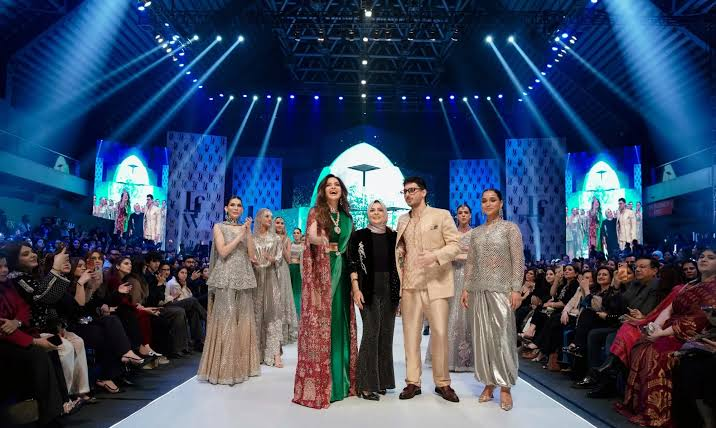
The modern fashion industry increasingly rewards people who can understand more than one discipline. Creativity is valuable, but so are analytical thinking, communication, adaptability, and commercial awareness.
The Future of the Business of Fashion
The next chapter of the Business of Fashion will likely be shaped by several forces at once. Artificial intelligence will continue influencing business decisions. Resale and circular models may become more established. Consumers will continue demanding convenience, while also questioning how products are made.
Luxury companies are also exploring opportunities outside traditional clothing and accessories. Fashion and beauty brands are increasingly entering areas such as home, hospitality, dining, and broader lifestyle experiences. BoF Insights has identified this expansion as an important opportunity for luxury brands seeking new ways to extend their identities and relationships with consumers.
At the same time, the industry will continue to depend on human creativity. Technology can analyze data, generate possibilities, and improve processes, but fashion still depends on taste, emotion, storytelling, craftsmanship, and cultural intuition.
The most successful companies may therefore be those that combine modern technology with a strong understanding of people. Data can tell a business what customers are doing, but human judgment is often required to understand why they are doing it.
Conclusion
The Business of Fashion is much bigger than clothing. It is a global ecosystem where creativity meets finance, technology meets culture, and design meets consumer behavior. From the first sketch to the final purchase, countless decisions determine whether a fashion idea becomes a successful product or disappears from the market.
The rise of The Business of Fashion has helped make this complicated industry easier to understand by bringing together journalism, research, professional communities, careers, events, and strategic insight. Founded by Imran Amed in 2007, what began as a personal project has developed into a global fashion and beauty intelligence company.
Looking ahead, fashion will continue changing. New technologies will reshape operations, consumers will demand greater transparency, resale will create new opportunities, and cultural movements will continue influencing what people wear. Yet one thing is unlikely to change: fashion will remain a powerful combination of creativity, commerce, identity, and human expression.
Frequently Asked Questions
1. What does Business of Fashion mean?
Business of Fashion refers to the commercial side of the fashion industry, including design, manufacturing, retail, luxury, finance, merchandising, supply chains, careers, and consumer behavior. It can also refer specifically to The Business of Fashion, a global media and intelligence company focused on fashion, beauty, and luxury.
2. What is The Business of Fashion?
The Business of Fashion, commonly called BoF, is a global fashion and beauty media and intelligence company. It provides journalism, industry research, professional resources, career services, events, and advisory offerings.
3. Who founded The Business of Fashion?
The Business of Fashion was founded by Imran Amed in 2007. Amed began writing about the fashion business after working as a management consultant and developed the project into a global industry platform.
4. Why is the business side of fashion important?
Creative ideas alone do not guarantee commercial success. Fashion businesses must manage production, pricing, inventory, distribution, retail, customer demand, employees, and finances. Understanding these areas helps companies turn creative concepts into sustainable businesses.
5. What industries are connected to fashion?
Fashion connects with manufacturing, retail, luxury, beauty, entertainment, technology, finance, logistics, media, advertising, hospitality, and lifestyle businesses. Many fashion companies now operate across several of these areas.
6. How has technology changed fashion?
Technology has changed product development, manufacturing, retail, customer communication, data analysis, and shopping. Artificial intelligence and digital tools are increasingly being explored for brand analysis, forecasting, customer understanding, and business strategy.
7. What is BoF Insights?
BoF Insights is the research and advisory arm associated with The Business of Fashion. Its work covers areas such as strategy, market expansion, brand positioning, consumer insights, and business performance.
8. Is sustainability important to the fashion business?
Yes. Sustainability affects materials, manufacturing, waste, supply chains, packaging, product durability, and consumer expectations. Resale, repair, rental, and circular business models are also becoming increasingly relevant.
9. What careers are available in fashion besides design?
Fashion offers careers in buying, merchandising, finance, retail management, supply-chain operations, journalism, photography, technology, data analysis, public relations, marketing, law, human resources, manufacturing, and business strategy.
10. What will shape the future of the Business of Fashion?
Artificial intelligence, changing consumer expectations, resale, sustainability, global market shifts, new retail models, and cultural movements will all influence the future. Companies that combine strong creative identities with sound business decisions are likely to remain better positioned for long-term success.








Leave a Reply