


Introduction to RTI Scheduler
In today’s fast-moving digital and professional environment, scheduling tools have become essential for managing tasks, appointments, and workflows efficiently. One term gaining attention in this area is RTI Scheduler. Many users search for rti scheduler to understand its purpose, benefits, and practical applications in daily work and organizational planning.
Scheduling systems are critical in education, healthcare, business, and technology sectors. Whether managing employee shifts, academic timetables, or project deadlines, an efficient scheduler can improve productivity and reduce confusion.
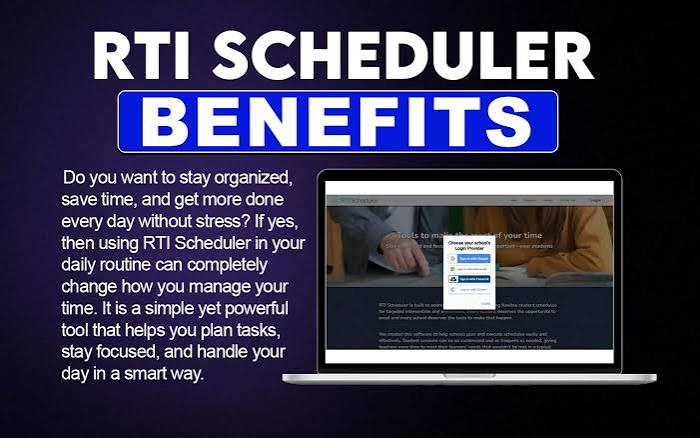
This guide explores everything about rti scheduler, including its possible uses, benefits, features, and how it supports better time management.
What Is RTI Scheduler?
The term rti scheduler generally refers to a scheduling system or tool used for organizing tasks, appointments, and resources effectively.
An RTI Scheduler may help users:
- Plan daily tasks
- Organize meetings
- Track deadlines
- Manage team workflows
- Optimize time allocation
In many industries, scheduling software has become essential for smoother operations.
Why RTI Scheduler Is Important
In business settings, productivity often depends on how well teams coordinate their work. When employees have access to a shared schedule, they can clearly understand deadlines, meeting times, and assigned responsibilities. This improves communication and prevents overlapping tasks. Better coordination means projects move faster and more efficiently.
For individuals, rti-scheduler can support daily routines by helping users plan their day in advance. From setting work priorities to organizing study sessions or personal appointments, a scheduler creates a balanced routine. This structure can reduce stress and improve focus because users know exactly what needs to be done.
Better Time Management with RTI Scheduler
Time management is one of the biggest benefits of using rti scheduler.
Advantages include:
- Reduced missed deadlines
- Better planning
- Improved efficiency
- Less confusion
Improved Workflow Organization
Businesses rely on schedulers to organize daily activities.
Enhanced Team Coordination
Scheduling tools improve communication between teams.
Key Features of RTI Scheduler
Task Scheduling
One of the core functions of rti scheduler is assigning tasks.
This helps users:
- Prioritize work
- Meet deadlines
- Stay organized
Calendar Integration
Many scheduling systems connect with digital calendars.
Notifications and Reminders
Reminders help prevent missed appointments.
Resource Management
Teams can manage staff, equipment, and time slots.
RTI-Scheduler in Business Operations
Another important benefit is the ability to set reminders and notifications. Many people miss tasks simply because they forget. Automated alerts help users stay on track by reminding them of upcoming meetings, deadlines, or important activities. This feature is especially useful in busy work environments where multiple responsibilities must be managed at once.
The rti scheduler can also help improve decision-making. When users can see their full schedule, they can better evaluate how to use their time. For example, if one task takes longer than expected, adjustments can be made quickly without disrupting the entire workflow. This flexibility supports smarter planning.
Employee Shift Management
Businesses use scheduling systems for:
- Shift planning
- Attendance management
- Task assignment
Meeting Coordination
Companies can organize meetings more efficiently.
Project Deadlines
Tracking deadlines improves productivity.
RTI Scheduler in Education
Class Scheduling
Schools use schedulers for organizing timetables.
Student Support Programs
RTI (Response to Intervention) programs often use scheduling tools to track sessions.
Teacher Planning
Educators can manage lessons and activities.
How RTI Scheduler Improves Productivity and Time Efficiency
One of the biggest advantages of using rti scheduler is its ability to improve productivity and save valuable time. In both professional and personal environments, effective time management is essential for achieving goals. Without a clear schedule, tasks can become disorganized, deadlines may be missed, and overall performance can suffer.
The rti scheduler helps solve these issues by providing a structured system for planning activities. Instead of relying on memory or manual notes, users can organize tasks digitally, making it easier to track responsibilities. This reduces confusion and ensures that important work is completed on time.
RTI Scheduler in Healthcare
Remote work has made scheduling even more important. Teams working from different locations often struggle with coordination, especially across multiple time zones. A scheduling tool helps solve this by creating a shared system where everyone can stay updated. This improves collaboration and reduces communication delays.
Another key advantage is accountability. When tasks are assigned through a scheduler, responsibilities become clear. Team members know what they need to do and when it must be completed. This increases discipline and reduces misunderstandings.
Patient Appointments
Hospitals use schedulers to organize visits.
Staff Rotation
Doctors and nurses require structured shifts.
Emergency Planning
Efficient scheduling improves response times.
Benefits of Using RTI Scheduler
As organizations continue to grow, managing time effectively becomes more complex. This is why tools like rti scheduler are becoming increasingly valuable. They simplify planning, improve efficiency, and support better performance at every level.
Overall, productivity and time efficiency are two major reasons why people choose scheduling tools. By using rti scheduler, both individuals and businesses can organize their activities more effectively, reduce stress, and achieve their goals with greater consistency.
Increased Productivity
Structured schedules improve work efficiency.
Reduced Errors
Automated scheduling reduces mistakes.
Better Communication
Shared calendars improve coordination.
Higher Accountability
Assigned tasks improve responsibility.
RTI-Scheduler and Technology Integration
Cloud-Based Access
Modern schedulers are often cloud-based.
Benefits include:
- Remote access
- Data synchronization
- Easy collaboration
Mobile Compatibility
Mobile apps improve flexibility.
AI-Powered Scheduling
Artificial intelligence can automate planning.
Challenges of Using RTI-Scheduler
Learning Curve
New users may need time to adapt.
Technical Issues
System failures can disrupt plans.
Over-Reliance on Automation
Human review is still important.
Data Security Concerns
Scheduling systems must protect sensitive data.
Best Practices for Using RTI-Scheduler
Set Clear Priorities
Important tasks should come first.
Update Schedules Regularly
Changes should be reflected quickly.
Use Notifications Wisely
Avoid excessive reminders.
Train Team Members
Proper training improves effectiveness.
RTI-Scheduler and Remote Work
Managing Distributed Teams
Remote teams need strong scheduling systems.
Global Collaboration
Time zone management becomes easier.
Better Work-Life Balance
Clear schedules reduce stress.
RTI-Scheduler for Freelancers
Freelancers can use rti-scheduler for:
- Client meetings
- Project deadlines
- Payment tracking
- Time blocking
This improves organization and income stability.
RTI-Scheduler and Productivity Growth
Daily Planning
Structured daily tasks improve focus.
Weekly Goals
Long-term planning increases consistency.
Deadline Tracking
Meeting deadlines improves reputation.
Future of RTI-Scheduler
AI Automation
AI may handle advanced scheduling tasks.
Smarter Analytics
Performance data can improve planning.
Integration With More Apps
Future tools may connect with more platforms.
Personalized Scheduling
Customized planning may improve efficiency.
Why RTI-Scheduler Matters in Modern Work
The growing demand for better time management has increased the value of tools like rti-scheduler. Whether used by businesses, schools, hospitals, or freelancers, scheduling systems improve productivity and organization.
In an era where time is one of the most valuable resources, smart scheduling can make a major difference.
How RTI-Scheduler Can Improve Daily Life
Even individuals can use rti-scheduler for:
- Personal planning
- Family schedules
- Study sessions
- Fitness routines
This shows its flexibility beyond professional use.
Conclusion
The rise of rti-scheduler reflects the increasing need for organized planning in modern life. From business operations to education and healthcare, scheduling tools help improve efficiency, communication, and productivity.
By adopting smart scheduling practices, users can save time, reduce stress, and achieve better results. As technology continues evolving, the role of rti-scheduler will likely become even more important in shaping future workflows.













Leave a Reply