

Introduction
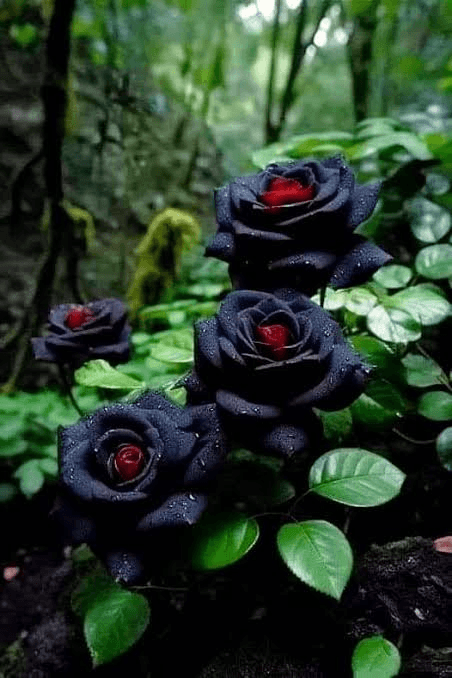
Few flowers create an instant sense of mystery quite like black roses. Their deep, dramatic color can look almost unreal, especially when the petals appear velvety and dark beneath soft light. Unlike cheerful yellow blooms or traditional red roses, black roses carry an atmosphere all their own—elegant, mysterious, romantic, and sometimes even haunting.
Despite their name, truly jet-black roses are extremely rare in nature. Most flowers described as black roses are actually exceptionally dark shades of crimson, burgundy, maroon, or purple. Certain varieties can appear nearly black under particular lighting conditions, while dyed or specially treated roses can achieve a much darker appearance. This distinction makes the subject even more fascinating because the idea of a black rose exists somewhere between botanical reality, human creativity, and symbolism.
The appeal of black roses goes far beyond their unusual appearance. They have become associated with mystery, farewell, rebirth, individuality, mourning, and dramatic romance. Their meaning can change considerably depending on the occasion, cultural tradition, and relationship between the people exchanging them. For some, a black rose represents the end of one chapter; for others, it symbolizes strength and the beginning of something new.
Whether you are fascinated by their symbolism, considering them for a special occasion, or simply curious about whether black roses can actually grow naturally, there is much more to these extraordinary flowers than their color suggests.
What Are Black Roses, and Do They Really Exist?
The phrase black roses sounds straightforward, but botanically it is a little misleading. Roses do not naturally produce a perfectly black pigment in the same way that they can produce strong reds, pinks, whites, or yellows. What people commonly call a black rose is usually a rose with extremely dark pigmentation. When the petals contain very high concentrations of red, purple, or burgundy pigments, the flower may look black from a distance or in low light.
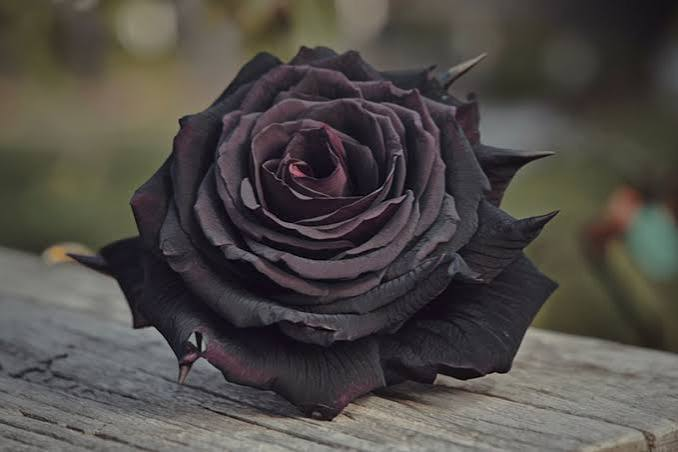
One reason these roses appear so dark is the way light interacts with their petals. A very deep burgundy rose may look almost black when its petals are tightly folded or when the flower is photographed under subdued lighting. In bright sunlight, however, those same petals may reveal their underlying red or purple tones. This is why photographs of supposedly black roses can sometimes look dramatically different from the actual flowers.
Natural Versus Dyed Black Roses
There is also a difference between naturally dark roses and roses that have been artificially colored. Florists can use dyes to turn pale roses into much darker shades, including nearly black tones. These flowers can be visually striking, but their color does not come from the rose’s natural genetics.
Some naturally occurring varieties are famous for their unusually dark petals. Roses such as ‘Black Baccara’ and ‘Black Magic’ are often mentioned when discussing dark roses. Neither is genuinely black in the strict botanical sense, but their deep coloration can create an impressively dark appearance.
The distinction matters when buying or growing them. If someone promises a naturally growing rose with completely coal-black petals, a little skepticism is reasonable. The world’s fascination with black flowers has encouraged creative naming and marketing, so the word “black” in a rose’s name does not necessarily mean the petals are literally black.
The Meaning and Symbolism of Black Roses
The symbolism of black roses is one of the main reasons they remain popular. Unlike the relatively established meaning of a red rose, the interpretation of a black rose is more flexible. It can represent mystery, farewell, grief, transformation, independence, or the closing of an important chapter.
Historically and culturally, dark flowers have often been connected with mourning and remembrance. Because black itself is frequently associated with loss and solemn occasions, a dark rose can communicate emotions that are difficult to express with a conventional bouquet. A black rose may therefore be chosen as a symbolic gesture when someone wants to acknowledge grief, separation, or the end of a relationship.
At the same time, black roses do not always carry a sad message. Their unusual appearance can represent resilience and personal transformation. Someone starting a new phase of life may choose a black rose because it reflects the idea of leaving the past behind and moving forward with greater strength.
Black Roses in Romance
Romantic symbolism can be particularly interesting. A black rose may suggest a love that is unconventional, intense, mysterious, or outside traditional expectations. It can suit couples who prefer something different from the familiar red-rose tradition.
However, context matters. Giving black roses to a romantic partner without explanation could produce mixed interpretations. One person might see them as sophisticated and dramatic, while another could associate them with endings or sadness. A thoughtful note explaining the intended meaning can make the gesture much clearer.
In creative settings, black roses are also frequently associated with gothic fashion, alternative culture, fantasy, literature, and dramatic visual art. Their appearance makes them especially effective when a designer or artist wants to create a sense of elegance with an edge.
Popular Varieties of Dark and Black Roses
Several rose varieties are regularly associated with black roses, even though their petals are technically very dark red, burgundy, or purple. These varieties are valued because their coloration can become exceptionally deep, particularly as the flowers mature or under cooler, less intense light.
One of the best-known examples is ‘Black Baccara’. It is a hybrid tea rose recognized for its dark burgundy petals and velvety appearance. Under certain lighting, the petals can look almost black, which explains its enduring popularity among people searching for dramatic roses. The flowers also have a refined form, making them suitable for bouquets and decorative arrangements.
Another famous dark variety is ‘Black Magic’. Its petals tend toward a rich, deep red rather than the nearly burgundy appearance associated with Black Baccara. The flowers are traditionally associated with elegance and strong visual impact. Because the color is naturally produced by the plant, the blooms can provide a more authentic alternative to dyed roses.
Other Dark Roses Worth Knowing
‘Midnight Blue’ is another variety frequently included in discussions of unusually dark roses. Despite its name, the petals generally show deep purple or wine-like tones rather than true black. Its color can look dramatically dark when the flower is fully open.
‘Black Prince’ is another historically notable rose often described as nearly black. Its deep crimson coloring gives it a dark, old-fashioned appearance, particularly when the flower is viewed from certain angles.
When choosing among these varieties, appearance should not be the only consideration. Gardeners should also look at climate suitability, disease resistance, mature size, sunlight requirements, fragrance, and flowering habits. A rose that looks perfect in a photograph may not necessarily be the best choice for a particular garden.
How to Grow and Care for Black Roses
Growing naturally dark roses requires much the same basic care as growing other rose varieties. The first priority is choosing an appropriate location. Roses generally perform best when they receive several hours of direct sunlight each day. Good air circulation is equally valuable because crowded, poorly ventilated plants are more vulnerable to fungal problems.
Soil quality also makes a major difference. Roses prefer fertile, well-draining soil that can hold enough moisture without becoming permanently waterlogged. Before planting, gardeners can improve poor soil by incorporating well-decomposed organic matter. This can help create a healthier root environment while improving the soil’s structure.
Watering should be consistent rather than excessive. Newly planted roses typically need more attention while their roots become established, whereas mature plants can develop stronger tolerance once their root systems are well developed. Watering at the base of the plant is generally preferable to repeatedly wetting the foliage, particularly in humid conditions.
Pruning and Feeding
Pruning helps maintain the plant’s shape and encourages healthy new growth. Dead, damaged, or diseased stems should be removed with clean, sharp pruning tools. Depending on the rose variety and local climate, more substantial pruning may be carried out during the plant’s dormant period.
Feeding can also support flowering. A balanced rose fertilizer or suitable slow-release fertilizer can provide nutrients during the growing season. However, excessive fertilizer is not necessarily beneficial. Too much nitrogen, for example, can encourage leafy growth at the expense of flowers.
Dark roses deserve the same protection from pests and diseases as other garden roses. Aphids, spider mites, black spot, powdery mildew, and other common rose problems can affect them. Regularly inspecting leaves and stems makes it easier to identify trouble early rather than waiting until the plant is seriously affected.
Patience is another part of successful rose growing. A newly planted rose may need time to establish its root system before producing its best display. Good soil, adequate sunlight, careful watering, and sensible pruning usually matter far more than trying to force rapid growth.
Why Black Roses Are So Popular in Art, Culture, and Design
The visual power of black roses has made them a recurring motif in art and popular culture. Their unusual color allows artists to communicate ideas that ordinary flowers may not convey as strongly. A dark rose can suggest secrecy, forbidden romance, grief, rebellion, beauty, or transformation with a single image.
In fashion and graphic design, black roses are particularly effective because they combine softness with drama. The rose is traditionally viewed as a symbol of beauty, while black introduces contrast and mystery. That combination has made black roses popular in tattoos, clothing designs, jewelry, invitations, album artwork, posters, and decorative arrangements.
The symbolism becomes even more powerful when combined with other imagery. A black rose surrounded by thorns may suggest resilience or hardship. Paired with a skull, it can emphasize mortality and remembrance. Combined with a white rose, it can represent contrast, balance, or opposing experiences. A black rose with gold accents can instead create a luxurious and sophisticated aesthetic.
Black Roses as a Personal Statement
For many people, the attraction to black roses is not about sadness at all. It can simply be an expression of individuality. Traditional flowers are beautiful, but unusual flowers allow people to communicate something more personal.
Someone who prefers unconventional design may choose black roses for a wedding bouquet, home decoration, tattoo, or special event. The choice can say, “I appreciate beauty, but I do not need it to look conventional.”
This is part of what makes the black rose so enduring. Its meaning is not fixed. The same flower can represent loss in one setting and personal strength in another. Rather than having a single universal definition, the black rose invites the person giving or receiving it to attach their own story to its appearance.
Choosing Black Roses for Bouquets and Special Occasions
A bouquet of black roses can make a powerful impression, but selecting the right type depends on the occasion. For a sophisticated arrangement, dark roses can be paired with white flowers, greenery, or subtle metallic accents. This creates contrast without allowing the bouquet to become visually overwhelming.
For romantic occasions, dark burgundy roses can offer an alternative to traditional bright red roses. They are especially suitable for someone who enjoys dramatic colors and unconventional floral arrangements. Adding deep purple or muted foliage can reinforce the rich, luxurious character of the bouquet.
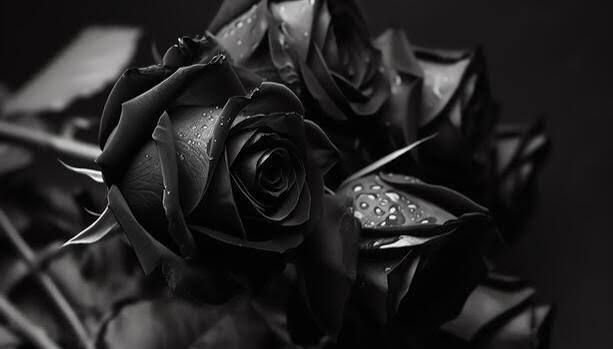
Black roses can also work well for themed parties, Halloween events, gothic weddings, theatrical productions, and artistic photo sessions. Their unusual appearance gives designers plenty of room to experiment with texture and contrast.
Preserving the Appearance of Dark Roses
If you want to keep a bouquet for longer, several preservation methods are available. Air-drying is one of the simplest approaches. Roses can be tied in small bunches and hung upside down in a dry, dark, well-ventilated place until the flowers lose their moisture.
Pressing is another option, particularly if the goal is to preserve individual petals rather than the entire flower. Pressed petals can later be used in artwork, cards, framed displays, or other decorative projects.
Preserved roses should be kept away from excessive humidity and direct sunlight. Light can gradually fade even very dark petals, while moisture can encourage deterioration. With reasonable care, a preserved black rose can remain an attractive decorative keepsake long after the fresh flower would have disappeared.
Conclusion
Black roses occupy a fascinating space between nature, symbolism, art, and human imagination. Although truly black roses are not a common natural phenomenon, several varieties produce exceptionally dark burgundy, crimson, and purple flowers that can appear almost black. Artificially dyed roses can create an even darker effect, giving florists and designers additional possibilities.
Their meaning is just as varied as their appearance. They can symbolize mystery, remembrance, transformation, independence, farewell, unconventional love, or simply a preference for dramatic beauty. Their interpretation depends heavily on the person, occasion, and message behind the flower.
For gardeners, dark roses can be rewarding additions when planted in suitable conditions and given consistent care. For artists and designers, they offer striking visual contrast. And for anyone who simply loves unusual flowers, a black rose represents something wonderfully different: beauty that does not need to follow tradition.
10 Frequently Asked Questions About Black Roses
1. Are black roses naturally real?
Completely black roses are extremely rare and are not generally considered a naturally occurring rose color. Most so-called black roses are actually extremely dark red, burgundy, or purple varieties that appear black under certain lighting.
2. What do black roses symbolize?
Black roses can symbolize mystery, grief, remembrance, transformation, farewell, independence, and unconventional romance. Their meaning depends on the context and the intention of the person giving them.
3. Which rose looks the closest to black?
Varieties such as ‘Black Baccara’ are famous for producing exceptionally dark burgundy petals. Under low or subdued lighting, the flowers can appear almost black.
4. Can I grow black roses in my garden?
Yes. You can grow naturally dark rose varieties, provided the particular cultivar is suitable for your climate. They need appropriate sunlight, fertile well-draining soil, regular watering, pruning, and protection from common pests and diseases.
5. Are black roses dyed?
Some commercially available black roses are dyed, particularly when the florist wants to create a much darker color than the rose naturally produces. Naturally dark varieties, however, develop their coloration through the plant’s own pigmentation.
6. Do black roses mean death?
They can be associated with mourning, death, or remembrance because of the symbolism traditionally connected with dark colors. However, they do not universally mean death and can also represent transformation, strength, mystery, or a new beginning.
7. Are black roses suitable for romantic gifts?
They can be, especially for someone who enjoys unusual or dramatic flowers. Because their symbolism can be interpreted as either romantic or associated with endings, adding a personal message can make the intended meaning clear.
8. How long do black roses last as cut flowers?
The vase life depends on the variety and how the flowers are handled. Fresh water, clean stems, a suitable vase, and keeping the bouquet away from heat and direct sunlight can help extend its freshness.
9. Can black roses grow completely black?
Most roses described as black do not produce truly pitch-black petals. Their petals usually contain deep red, purple, or burgundy pigmentation that creates a black-like appearance under certain conditions.
10. Why are black roses so popular?
Their popularity comes from their unusual appearance and flexible symbolism. Black roses can look elegant, mysterious, romantic, dramatic, or gothic, making them appealing in gardens, bouquets, art, fashion, tattoos, and special events.












Leave a Reply