

Introduction
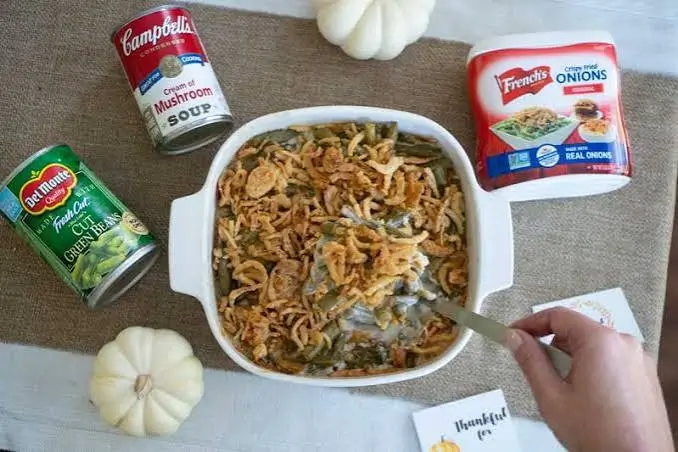
Few side dishes have earned a place at the holiday table quite like Campbell’s green bean casserole. It is creamy, savory, comforting, and topped with a layer of crisp fried onions that gives every spoonful a satisfying contrast. What makes it especially memorable is its simplicity: a handful of familiar ingredients can be transformed into a dish that feels perfectly suited to a family gathering.
The casserole became closely associated with American holiday meals because it is easy to prepare and works beautifully alongside roasted turkey, mashed potatoes, stuffing, gravy, and cranberry sauce. It does not require complicated cooking techniques or an unusually long ingredient list. That accessibility has helped it remain a dependable favorite for generations.
Although the classic version is straightforward, there is plenty of room for small improvements. The texture of the green beans, the amount of seasoning, the consistency of the sauce, and the timing of the crispy onion topping can all affect the finished dish. Understanding those details can turn a basic casserole into something genuinely impressive.
Whether you are preparing it for Thanksgiving, a family dinner, a potluck, or simply craving a warm vegetable side, Campbell’s green bean casserole offers a combination of convenience and comfort that is difficult to resist.
The Story Behind Campbell’s Green Bean Casserole
The history of Campbell’s green bean casserole begins with the Campbell Soup Company and a recipe developed in the 1950s. The dish was created by Dorcas Reilly, who worked in the Campbell’s home economics department. Her original concept combined green beans, cream of mushroom soup, and crispy fried onions into one easy casserole.
The recipe became popular partly because its ingredients were readily available and the preparation was uncomplicated. During an era when home cooks were looking for practical ways to prepare family meals, a dish that required only a few pantry and refrigerator staples had obvious appeal.
Why the Recipe Became a Holiday Favorite
The casserole’s connection with Thanksgiving is particularly interesting. Holiday meals often involve several dishes competing for oven space, preparation time, and attention. A recipe that can be assembled relatively quickly is therefore extremely useful.
Campbell’s green bean casserole also fills an important role on the plate. Thanksgiving meals tend to be rich, with roasted meat, buttery potatoes, stuffing, and gravy. Green beans provide a vegetable component, while the creamy sauce and crispy onions make them feel indulgent enough to belong alongside the other festive dishes.

Another reason for its staying power is familiarity. Many people remember eating green bean casserole at family gatherings when they were children. Serving it again as an adult can bring back memories of relatives, holiday tables, and celebrations from earlier years.
That emotional connection is part of what makes traditional recipes special. Food is rarely just about ingredients; it can also preserve family traditions.
Classic Ingredients for Campbell’s Green Bean Casserole
One of the defining characteristics of Campbell’s green bean casserole is its short ingredient list. The classic preparation typically uses green beans, condensed cream of mushroom soup, milk, black pepper, and crispy fried onions.
The cream of mushroom soup provides the creamy foundation of the casserole. Rather than preparing a separate sauce from butter, flour, stock, and cream, the condensed soup makes the process much faster. It also gives the dish the familiar savory mushroom flavor associated with the traditional recipe.
Green beans provide the main vegetable component. Fresh, frozen, and canned beans can all be used, although each produces a slightly different texture.
Choosing the Right Green Beans
Fresh green beans can give the casserole a bright flavor and firmer texture. They generally need to be trimmed and cooked briefly before being incorporated into the casserole. Blanching them first helps soften them without making them overly tender.
Frozen green beans are another convenient choice. They can provide a pleasant texture and are especially useful when fresh beans are unavailable or when you are preparing the casserole for a large gathering.
Canned green beans are particularly convenient and are traditionally associated with many versions of the recipe. Because they are already cooked, they require little preparation. However, draining them thoroughly is important because excess liquid can make the casserole watery.
The Importance of Crispy Fried Onions
The fried onion topping is arguably one of the most recognizable parts of Campbell’s green bean casserole. The onions add crunch, saltiness, and a slightly sweet fried flavor that contrasts with the creamy vegetable mixture.
Rather than mixing all the onions into the casserole, many cooks reserve a portion for the top. This allows them to remain crisp and creates a more appealing texture.
Adding the topping at the appropriate stage is important. If the onions are exposed to heat for the entire baking period, they may become too dark or lose their crunch. Adding them toward the end helps preserve their characteristic texture.
How to Make Campbell’s Green Bean Casserole Successfully
Preparing Campbell’s green bean casserole is relatively simple, but small details can make a noticeable difference. Start by heating the oven according to the recipe instructions and preparing the green beans based on the type you are using.
For canned beans, drain them thoroughly. For frozen beans, allow them to thaw and remove excess moisture. Fresh beans should be trimmed and briefly cooked until they are tender but still have some structure.
The next step is combining the creamy ingredients. Condensed cream of mushroom soup is mixed with milk and seasoning to create the sauce. The goal is to achieve a mixture that coats the beans without becoming excessively thin.
Building the Casserole
Once the ingredients are combined, add part of the crispy fried onions and gently mix everything together. Avoid crushing the beans during this process, especially if using canned beans, because they can become soft quite easily.
Transfer the mixture into a suitable baking dish and spread it evenly. An even layer allows the casserole to heat consistently and ensures that the creamy sauce reaches all the vegetables.
Bake until the mixture is hot and bubbling around the edges. Then add the remaining fried onions over the top and return the dish to the oven briefly.
That final stage is important because it gives the onions enough heat to become warm and lightly toasted without allowing them to burn.
Avoiding a Watery Casserole
One of the most common problems with green bean casserole is excess moisture. Too much liquid can thin the mushroom sauce and prevent the casserole from developing the creamy consistency people expect.
Draining canned beans thoroughly is one of the easiest ways to avoid this problem. If the beans appear particularly wet, allowing them to sit in a colander for a few minutes can help.
Frozen vegetables should also be handled carefully. Ice crystals and thawing water can introduce more moisture than expected. Patting the beans gently with paper towels can help remove some of the excess.
The casserole should be creamy and cohesive rather than soupy. If the mixture appears unusually thin before baking, check the amount of milk and make sure all vegetables have been properly drained.
Ways to Make the Classic Casserole Even Better
While traditional Campbell’s green bean casserole is delicious on its own, there are several ways to give it a little more character without losing the familiar flavor.
Freshly ground black pepper can add a subtle bite. A small amount of garlic powder can deepen the savory flavor, while a pinch of onion powder can reinforce the taste of the crispy topping.
Some cooks add sautéed mushrooms for a stronger mushroom Campbell’s green bean casserole flavor. Others incorporate shredded cheese for extra richness. These additions are not necessary for a classic casserole, but they can create interesting variations when you want something slightly different.
Adding Fresh Mushrooms
Fresh mushrooms can make the casserole taste more substantial. Sliced mushrooms can be sautéed separately until they release their moisture and develop a deeper flavor.
Cooking them before adding them to the casserole Campbell’s green bean casserole is preferable to placing raw mushrooms directly into the mixture. Sautéing removes excess moisture and gives the mushrooms a more developed taste.
Cremini or white button mushrooms are easy choices, although other varieties can be used when available.
Adding Cheese
Cheese is another popular variation. Campbell’s green bean casserole Cheddar, Swiss, Parmesan, or Monterey Jack can introduce a richer flavor and slightly different texture.
A small amount is usually enough. Too much cheese can overpower the mushroom and green bean flavors and make the casserole excessively heavy.
For a holiday meal where several rich dishes are already being served, moderation can actually make the casserole more enjoyable.
Creating a Crunchier Topping
If texture is a priority, the fried onions Campbell’s green bean casserole can be combined with other crunchy ingredients. Toasted breadcrumbs, crushed crackers, or chopped nuts can provide another layer of texture.
The key is to keep the topping balanced. The crispy onions are a defining characteristic of the dish, so additional ingredients should complement rather than completely replace them.
Serving and Preparing Campbell’s Green Bean Casserole for Holidays
Campbell’s green bean casserole is particularly useful for holiday meals because it fits naturally beside many traditional dishes. Its creamy texture works well with roasted turkey, while the green beans add color to a plate that may otherwise contain many beige and brown foods.
The casserole also pairs nicely with stuffing and mashed potatoes. The savory mushroom sauce provides a different flavor from gravy, while the fried onions contribute the crunch that soft dishes often lack.
For a large Thanksgiving gathering, portion planning is Campbell’s green bean casserole worth considering. A casserole that seems generous for four people may disappear quickly when placed on a table surrounded by several hungry guests.
Preparing It Ahead of Time
One advantage of the casserole is that much of the preparation can be completed before dinner. The vegetable and sauce mixture can generally be assembled ahead of the final baking stage.
Keeping the crispy onions separate until the Campbell’s green bean casserole appropriate point is especially useful. This prevents them from becoming soft before the casserole goes into the oven.
When preparing food ahead of time, refrigeration and food-safety practices should be followed carefully. Keep prepared ingredients chilled and avoid leaving perishable foods at room temperature for extended periods.
Keeping the Casserole Warm
If the casserole is prepared before Campbell’s green bean casserole the rest of the meal is ready, maintaining its texture can be challenging. Prolonged heating can dry the creamy mixture, while leaving it uncovered can cause the surface to lose moisture.
Covering the casserole appropriately during holding can help retain warmth and moisture, while the crispy topping should be added or refreshed close to serving time whenever possible.
The best texture is achieved when the casserole reaches the table while the sauce is still creamy and the onions remain crisp.
Leftovers, Storage, and Reheating Tips
Leftover Campbell’s green bean casserole can be just as comforting the next day. Once the meal is finished, leftovers should be refrigerated promptly in a covered container rather than remaining on the dining table for hours.

When reheating, smaller portions often warm more evenly than one very large portion. Gentle reheating can help prevent the sauce from becoming excessively dry.
The fried onions may soften after refrigeration. That is normal. If you want to restore some crunch, reheating the casserole uncovered for part of the process can help, although the onions will not necessarily return to exactly their original texture.
Turning Leftovers Into Something New
Leftovers do not have to be served exactly the same way. A spoonful of green bean casserole can be incorporated into a next-day lunch alongside leftover turkey and roasted vegetables.
Some home cooks also use leftovers as part of a creative sandwich or wrap, although the creamy texture means it works best when paired with ingredients that can handle moisture.
Another option is serving a small portion alongside eggs or breakfast potatoes for a savory morning meal. It may not be traditional, but Thanksgiving leftovers have always encouraged creative cooking.
The important thing is to refrigerate leftovers properly and use them within an appropriate food-safety window.
Conclusion
Campbell’s green bean casserole has earned its reputation through a combination of simplicity, comforting flavor, and tradition. Its creamy mushroom sauce, tender green beans, and crisp fried onion topping create a combination that feels both familiar and satisfying.
Part of the recipe’s charm is its flexibility. The traditional version requires only a few ingredients, yet cooks can personalize it with fresh mushrooms, cheese, herbs, additional seasoning, or alternative crunchy toppings.
For Thanksgiving and other family gatherings, the casserole also brings something beyond flavor. It is a dish many people recognize from childhood celebrations and familiar holiday tables. That connection gives it a sense of nostalgia that newer recipes sometimes struggle to achieve.
Whether you prepare the classic version exactly as intended or add your own small twist, Campbell’s green bean casserole remains a dependable side dish that can make a holiday meal feel complete.
Frequently Asked Questions
1. What is Campbell’s green bean casserole?
Campbell’s green bean casserole is a classic American side dish traditionally made with green beans, condensed cream of mushroom soup, milk, seasoning, and crispy fried onions.
2. Can I use fresh green beans?
Yes. Fresh green beans can provide a firmer texture and brighter flavor. They should generally be trimmed and cooked briefly before being added to the casserole.
3. Can frozen green beans be used?
Absolutely. Frozen green beans are a convenient alternative to fresh beans. Allowing them to thaw and removing excess moisture can help prevent a watery casserole.
4. Can I use canned green beans?
Yes. Canned green beans are commonly used in traditional versions of Campbell’s green bean casserole. Drain them thoroughly before mixing them with the other ingredients.
5. Why does my green bean casserole become watery?
Excess liquid from canned or frozen green beans is one common cause. Too much milk can also thin the sauce. Properly draining the vegetables helps produce a thicker, creamier result.
6. When should I add the fried onions?
A portion can be mixed into the casserole, while the remaining onions are typically added toward the end of baking. This helps preserve their crisp texture.
7. Can I make the casserole ahead of time?
Yes. Much of the casserole can be assembled ahead of baking. Keeping the crispy onions separate until the appropriate stage helps prevent them from becoming soft.
8. Can I add cheese to Campbell’s green bean casserole?
Yes. Cheddar, Parmesan, Swiss, or Monterey Jack can be added for extra richness. Use a moderate amount so the cheese does not overwhelm the other flavors.
9. How can I make the casserole more flavorful?
Freshly ground black pepper, sautéed mushrooms, garlic powder, onion powder, or a small amount of herbs can add extra flavor while keeping the dish recognizable.
10. What dishes pair well with green bean casserole?
It pairs particularly well with Thanksgiving favorites such as turkey, mashed potatoes, stuffing, cranberry sauce, and gravy. Its creamy texture and crispy topping provide a useful contrast to many traditional holiday foods.












Leave a Reply