


Introduction
A rose bush c_an look beautiful even when it desperately needs pruning. Thick, tangled stems may still carry flowers, but beneath those blooms, crowded growth can restrict airflow, weaken new shoots, and make the plant more vulnerable to disease. Learning how to prune roses properly isn’t about cutting away as much as possible. It’s about knowing which stems to remove, which ones to keep, and how each cut affects the plant’s future growth.
Good pruning encourages roses to produce strong new stems, improves the shape of the bush, and helps sunlight reach the interior of the plant. It can also remove damaged or diseased wood before problems spread. The result is usually a healthier plant with a more attractive structure and better flowering.
The process becomes much less intimidating once you understand a few basic principles. You don’t need complicated equipment or years of gardening experience. how to prune roses With sharp pruning shears, a little patience, and a clear idea of what you’re looking for, you can turn an overgrown rose into a stronger and more productive plant.
1. Understand Why Rose Pruning Matters
Pruning is one of the most useful maintenance jobs you can perform on a rose bush, but it has a specific purpose. The goal isn’t simply to make the plant smaller. how to prune roses A well-pruned rose has enough space between its main stems for air and light to move through the center. This open structure helps create healthier growing conditions and makes it easier to notice pests, damaged branches, and signs of disease.
Removing weak growth also allows the plant to put more energy into productive stems. A rose bush covered with thin, unproductive branches can spend resources maintaining growth that contributes little to flowering. When some of that growth is removed, the plant can concentrate on developing stronger shoots. This is particularly useful for established bushes that have how to prune roses become crowded or have stopped flowering as vigorously as they once did.
Pruning Encourages Strong New Growth
how to prune roses naturally respond to pruning by producing new growth below the cut. Where you make the cut can therefore influence the direction and shape of the next shoot. A carefully chosen cut can encourage growth toward an open area of the plant instead of toward the center, where branches may become crowded.

This is why random trimming isn’t the best approach. Cutting every branch to the same height can create an unnatural shape and may remove healthy wood how to prune roses unnecessarily. Instead, look at the entire plant before you start. Decide which stems form the main framework and which branches are weak, crossing, damaged, or growing in an undesirable direction.
Pruning Also Improves Airflow
A dense rose bush can trap moisture among its leaves how to prune roses and stems. Good airflow helps foliage dry more quickly after watering, rain, or heavy dew. This can create a less favorable environment for certain fungal diseases.
You don’t need to hollow out the plant completely. Roses still need plenty of foliage for photosynthesis. The objective is simply to how to prune roses avoid a congested center where numerous stems rub against each other and leaves receive very little light.
2. Choose the Right Time to Prune Roses
Timing is one of the most common sources of confusion for gardeners. The ideal pruning period depends partly on the type of rose and the climate where it grows. For many modern bush roses, the main structural pruning is performed during the dormant how to prune roses season or toward the end of winter, shortly before vigorous spring growth begins.
A useful natural signal is the plant itself. When the buds begin to swell and the threat of severe winter conditions has largely passed, the rose is preparing for active growth. Pruning around this stage allows the plant to direct its energy toward the new shoots that emerge afterward.
Pruning in Late Winter or Early Spring
For many repeat-flowering roses, late winter or early spring is a convenient time for major pruning. The plant is relatively dormant, so its structure is easier to how to prune roses see without dense foliage hiding the stems. You can identify dead wood, weak branches, crossing stems, and poorly positioned growth much more easily.
Avoid rushing to prune simply because the calendar says it is time. If unusually cold weather is still expected, severe pruning can expose fresh cuts and encourage tender new growth at an inconvenient moment. Local growing conditions matter how to prune roses more than following a rigid date.
What About Roses That Bloom on Old Wood?
Not every rose should be treated like a modern repeat-flowering bush rose. Some varieties produce most of their flowers on older stems. Pruning these how to prune roses plants at the wrong time can remove the very wood that would have produced the next flush of flowers.
Old-fashioned roses, ramblers, climbers, and other specialty types may have different pruning requirements. If you’re unsure what kind of rose you have, identify the variety before making major cuts. The flowering habit is often more useful than simply looking at the plant’s appearance.
3. Prepare the Right Tools and Learn Where to Cut
Good pruning starts with good tools. A pair of sharp bypass pruning shears is usually enough for smaller stems. Larger branches may require loppers or a how to prune roses pruning saw, depending on their thickness. Gloves are also highly recommended because rose thorns can turn a simple gardening job into an unpleasant experience.
Before pruning, make sure your tools are clean and sharp. A dull blade can crush or tear plant tissue instead of making a clean cut. Damaged cuts take longer to heal and can leave ragged surfaces where problems may develop. Cleaning the blades between plants is also a sensible habit, particularly when working with roses that show signs of disease.
Make Clean, Deliberate Cuts
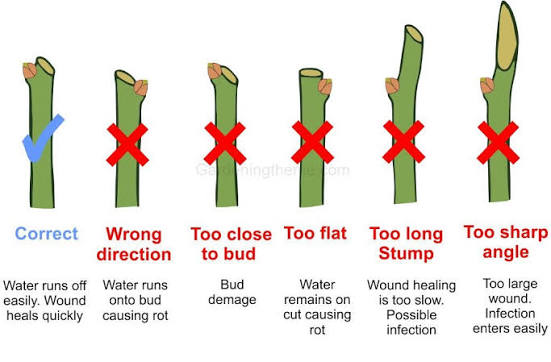
When removing a branch, avoid leaving a long dead how to prune roses stub. At the same time, don’t cut unnecessarily far into the main stem. The aim is to make a clean cut close to the point where the unwanted growth begins while preserving the healthy structure you want to keep.
For many cuts, gardeners look for a healthy outward-facing bud. Cutting slightly above such a bud can encourage the new shoot to grow outward rather than toward the center of the plant. The exact angle doesn’t need to be obsessively precise; what matters most is making a clean cut without damaging the bud beneath it.
Identify What Should Be Removed
Before you start cutting, how to prune roses inspect the bush carefully. Look for:
- Dead stems with no signs of living tissue
- Broken or damaged branches
- Very weak, thin growth
- Branches that cross or rub against each other
- Shoots growing toward the center of the bush
- Diseased-looking wood
- Suckers emerging from below the graft on grafted roses
Removing these problem areas usually gives you the biggest improvement with the least unnecessary cutting.
4. Follow a Step-by-Step Rose Pruning Method
Once your tools are ready and you’ve identified the structure of the plant, begin slowly. One of the biggest mistakes beginners make is standing in front how to prune roses of a rose bush and immediately cutting branches without first deciding what the finished plant should look like.
Start by removing dead wood. Follow each questionable stem downward until you reach healthy-looking tissue. Dead wood is often dry, brittle, darkened, or visibly damaged. If you aren’t sure whether a stem is alive, a small scratch on the outer bark can sometimes reveal green tissue beneath it. Don’t rely on color alone, however; healthy stems can vary considerably depending on the variety and age of the wood.
Next, remove broken, diseased, or badly damaged stems. If a branch is clearly unhealthy, keeping it simply because it is large or well positioned how to prune roses usually isn’t worthwhile. Cut back to healthy tissue or remove the branch entirely when appropriate.
Thin Out Crowded Growth
After removing obvious problems, look at the center of the bush. If several branches are competing for the same space, choose the strongest and best-positioned stems to keep. Remove the weaker alternatives.
Branches that cross each other deserve particular attention. Constant rubbing can damage the bark and create wounds. If two healthy branches how to prune roses occupy the same area, keeping the one that contributes more to the overall shape is often the better choice.
Don’t try to make the bush perfectly symmetrical. Natural-looking roses generally look better when their shape has some variation. Think of pruning as creating an open framework rather than sculpting the plant into a geometric object.
Reduce the Remaining Stems
Once the unwanted growth is gone, how to prune roses you can shorten selected stems to encourage fresh growth and maintain a manageable shape. How far you cut depends on the rose type, its age, its vigor, and your goal.
A vigorous established rose can usually tolerate more substantial pruning than a newly planted or stressed plant. If you’re inexperienced, conservative pruning is often safer than removing large amounts of healthy wood at once. You can always make additional adjustments later, but you can’t immediately put a cut branch back on the plant.
5. Avoid Common Pruning Mistakes and Maintain Roses Afterward
Many pruning problems happen because how to prune roses gardeners either cut too aggressively or barely prune at all. Removing almost every branch can leave a plant with very little productive growth, while refusing to remove crowded or weak stems can leave the bush congested and difficult to manage.
Another mistake is making dozens of tiny cuts without a clear purpose. Before each cut, ask yourself what you’re trying to accomplish. Are you removing dead wood? Opening the center? Eliminating a crossing branch? Controlling the shape? If the answer is no, the cut may not be necessary.
Don’t Ignore Suckers
Grafted roses can produce vigorous shoots how to prune roses from the rootstock below the graft union. These shoots are commonly called suckers. They often grow quickly and may look different from the desired rose.
If left alone, suckers can compete with the main plant. Instead of simply cutting them at ground level, remove them as close to their point of origin as practical. This helps reduce the chance of repeated growth from the same area.
Deadhead During the Growing Season
Major pruning and routine deadheading are different jobs. Deadheading involves removing spent flowers to improve appearance and, depending on the rose, how to prune roses encourage additional flowering.
When a rose finishes blooming, removing the faded flower cluster can help the plant redirect growth toward new flowering shoots rather than seed production. Some gardeners prefer to leave certain hips for autumn color and wildlife, so deadheading isn’t an absolute rule for every garden.
Watch the Plant After Pruning
Pruning isn’t the end of the process. Keep an eye on the plant as new growth develops. Strong shoots should gradually form around the framework you created. how to prune roses If a new shoot emerges in a particularly crowded or undesirable direction, removing it while it is young is usually easier than correcting the problem later.
Water the rose appropriately according to the weather and soil conditions, and avoid keeping the foliage constantly wet. Mulch can help maintain more consistent soil moisture, but keep mulch slightly away from the base of the stems rather than piling it directly against them.
Conclusion
Learning how to prune roses becomes much easier once you stop thinking of pruning as simply cutting branches and start thinking how to prune roses of it as shaping the plant’s future growth. The best cuts remove what is dead, weak, damaged, diseased, or poorly positioned while preserving the strong framework that supports healthy flowering.
Timing matters, but so does understanding the particular rose you’re growing. A repeat-flowering bush rose may respond well to substantial late-winter pruning, while a rose that flowers on older wood may require a much lighter and more carefully timed approach. Sharp, clean tools and deliberate cuts make the process safer for both gardener and plant.
Most importantly, don’t be afraid to learn by observing your roses. Look at where new shoots emerge after pruning, notice which stems produce how to prune roses the strongest flowers, and pay attention to how the plant responds. With practice, pruning becomes less of a chore and more of a conversation with the garden—one cut at a time.
Frequently Asked Questions
1. When is the best time to prune roses?
For many modern repeat-flowering roses, late winter or early spring is a suitable time for major pruning, just before vigorous new growth begins. The exact timing depends on the local climate and the particular rose variety.
2. Can I prune roses in summer?
Yes, but summer pruning is usually lighter than the main seasonal pruning. Removing dead flowers, damaged stems, and unwanted growth can be done during the growing season. Avoid heavy pruning during periods of extreme heat or when the plant is already stressed.
3. How much should I cut off a rose bush?
There isn’t one universal amount. The correct reduction depends on the rose type, age, health, and existing structure. Start by removing dead and problematic growth, then shorten healthy stems only as much as needed to create a strong, open framework.
4. Should I cut roses at an angle?
A clean, slightly angled cut can help water move away from the cut surface, but perfect precision isn’t necessary. More important is using a sharp tool and avoiding crushed or ragged tissue.
5. Where should I make a pruning cut?
When shortening a healthy stem, many gardeners cut just above a healthy bud that faces outward. This can encourage new growth to develop away from the center of the bush.
6. What happens if I don’t prune my roses?
Roses can survive without regular pruning, but some plants may become crowded, weak, or difficult to manage. Dead wood can remain in the plant, branches may cross and rub, and the center can become congested.
7. Should I remove dead roses from the plant?
For many repeat-flowering roses, removing spent blooms can encourage additional flowering and keep the plant looking tidy. However, some gardeners leave spent flowers to develop into hips, particularly on varieties where the hips are attractive.
8. How do I know if a rose stem is dead?
Dead stems are often dry, brittle, and brown or darkened. A gentle scratch through the outer surface can sometimes reveal living green tissue underneath. If the stem is clearly dry and lifeless throughout, it can generally be removed.
9. Do climbing roses need different pruning?
Yes. Climbing and rambling roses often have different growth and flowering habits from compact bush roses. Some flower primarily on older wood, so indiscriminate pruning can remove future flowering stems. Identify the variety and flowering habit before carrying out major pruning.
10. Can I prune a rose bush that has become badly overgrown?
Yes, but severe renovation should be approached carefully. Remove dead, diseased, damaged, and badly crossing wood first. If the plant is extremely congested, spread the work over time rather than removing almost all of its healthy structure in one session.














Leave a Reply