

Introduction
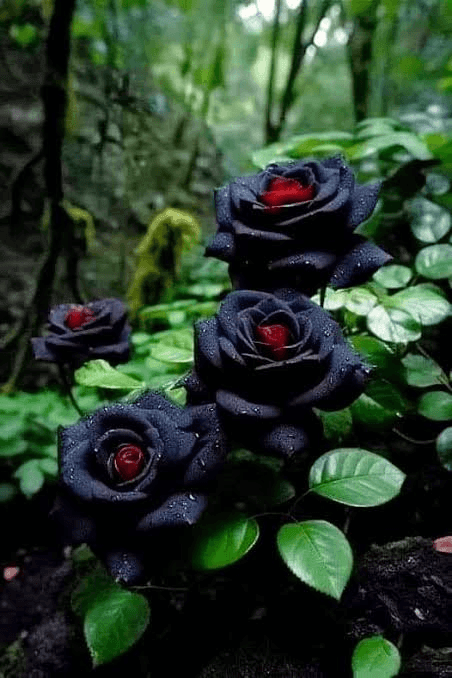
Few flowers have earned a place in human culture as deeply as the roses. They appear in gardens, wedding bouquets, paintings, poetry, perfumes, celebrations, and quiet personal moments. Their beauty can be delicate or dramatic, their fragrance subtle or powerful, and their colors range from pure white to deep crimson and nearly every shade between.
What makes the roses particularly fascinating is their remarkable diversity. A compact rose can thrive in a container on a balcony, while a vigorous climbing rose can cover an arch or wall with hundreds of blooms. Some varieties are prized for fragrance, others for long flowering seasons, disease resistance, unusual colors, or elegant flower shapes. Behind that variety lies a long history of cultivation in which gardeners have selected and bred roses for qualities that continue to shape the plants available today.
Roses are also flowers with language. Red roses are commonly associated with love, while white roses may suggest purity, remembrance, or new beginnings. Yellow roses can communicate friendship and warmth, and pink roses often convey admiration and affection. Yet these meanings are not rigid rules. A rose can carry a completely personal significance depending on the occasion and the person receiving it.
Understanding the roses means looking beyond the flower itself. Their successful cultivation depends on choosing the right variety, providing suitable growing conditions, watering thoughtfully, pruning with purpose, and watching for pests and diseases. With the right care, roses can become some of the most rewarding plants in a garden.
Understanding the Different Types of Roses
The world of the roses is much broader than the familiar long-stemmed flowers sold by florists. Garden roses are commonly grouped according to their growth habits, breeding history, flower characteristics, and practical uses. Hybrid tea roses, for example, are known for their large, elegant blooms and relatively upright growth. They are often chosen for cutting gardens because their flowers work beautifully in arrangements.
Floribunda roses have a different character. Rather than producing one large flower at the end of each stem, many floribundas produce clusters of blooms, creating a fuller display of color. They can be excellent choices when the goal is to create a garden that looks continuously lively rather than focusing attention on individual exhibition-style flowers.
Shrub roses offer another useful option. The roses They tend to have a broader, more natural growth habit and are often valued for their versatility. Some modern shrub roses combine attractive flowers with stronger disease resistance and repeated flowering, making them appealing to gardeners who want beauty without an overly demanding maintenance routine.
Climbing and Groundcover Roses
Climbing roses bring a completely different dimension to a garden. Their long canes can be trained along trellises, fences, arches, pergolas, and walls. Contrary to what their name might suggest, most climbing roses do not climb structures independently like ivy. They generally need to be guided and secured to an appropriate support.

Groundcover roses are useful when gardeners want flowers closer to the soil rather than tall shrubs. Their spreading growth can help fill borders, slopes, and larger areas. They can also soften hard landscape edges and provide color where upright plants might look out of place.
The best rose is therefore not necessarily the one with the most impressive flower. A gardener should consider the available The roses space, sunlight, climate, desired height, flowering pattern, fragrance, and maintenance requirements. Matching the rose to the garden is often more important than choosing a variety simply because it looks attractive in a photograph.
The Meaning and Symbolism of Roses
Few flowers carry as much emotional symbolism as the roses. Their meanings have developed through cultural traditions, literature, art, and everyday customs. Red roses are perhaps the most recognizable symbol of romantic love and passionate affection. Their association with romance is so strong that a bouquet of red roses can communicate a message without a single written word.
Pink roses generally have a softer emotional character. They can represent admiration, appreciation, gratitude, gentleness, or affection. Pale pink flowers may feel particularly delicate and graceful, while stronger pink shades can create a more energetic impression.
White roses are often connected with purity, sincerity, peace, remembrance, and new beginnings. This makes them popular for The roses weddings as well as solemn occasions. Their clean appearance also allows them to complement almost any surrounding color.
Yellow roses tend to express warmth, friendship, happiness, and companionship. They can brighten an arrangement without carrying the intense romantic message traditionally associated with red roses.
Colors Are Not the Whole Story
The symbolism of the roses can also change according to their setting. A single rose can feel intimate and deliberate, while a large bouquet may communicate celebration or abundance. The number of flowers, their arrangement, and the accompanying greenery can all affect the overall impression.
Even flower color should not be treated as an absolute code. Personal experience often matters more than traditional symbolism. The roses Someone may associate a particular rose color with a loved one, childhood garden, wedding, anniversary, or important memory.
This flexibility is part of the flower’s enduring appeal. Roses can be used to say “I love you,” “thank you,” “I remember you,” “congratulations,” or simply “I thought of you.” The flower provides the visual language, while the individual gives it meaning.
How to Plant and Grow Healthy Roses
Growing the roses successfully begins before the first flower appears. Site selection is one of the most important The roses decisions a gardener can make. Most roses perform best in a location that receives several hours of direct sunlight and has good air circulation. A crowded, shaded position may encourage weak growth and increase the likelihood of fungal problems.
Soil is equally important. Roses generally prefer fertile, well-draining soil that retains enough moisture for healthy roots without remaining saturated. Heavy clay can hold excessive water, while very sandy soil may drain too quickly. The roses Adding suitable organic matter can improve soil structure and create a more favorable environment for root development.
When planting, the root area should have enough space to establish without being squeezed by neighboring plants. Crowding can restrict airflow and make routine maintenance more difficult. A rose that has plenty of room to grow is usually easier to inspect, prune, water, and protect.
Watering deserves a thoughtful approach. Newly planted roses need consistent moisture while their roots become established. Mature plants may tolerate short dry periods better, but prolonged drought can reduce flowering and weaken overall growth. Deep watering is generally more useful than frequent, shallow The roses sprinkling because it encourages moisture to reach the root zone.
Feeding, Mulching, and Seasonal Care
Roses benefit from appropriate nutrition, especially during active growth. A balanced fertilizer formulated for roses can provide useful nutrients, but more fertilizer does not automatically mean more flowers. Excessive feeding can produce soft, vigorous foliage that may be more vulnerable to pests and disease.
Mulching around the base of the plant can help maintain more consistent soil moisture and moderate temperature fluctuations. Organic mulch also gradually contributes to soil quality as it decomposes. It should be kept slightly away The roses from direct contact with the main stem to reduce the risk of moisture-related problems.
Seasonal care depends heavily on climate. In warm regions, roses may continue growing for much of the year, while gardeners in colder areas may need to protect plants from severe winter conditions. Understanding the local growing cycle makes pruning, feeding, and watering decisions far more effective.
A healthy rose is not created through one dramatic intervention. It develops through a series of small, The roses consistent choices: appropriate sunlight, good soil, sensible watering, adequate nutrition, regular inspection, and timely pruning.
Pruning, Pest Control, and Maintaining Beautiful Roses
Pruning the roses can seem intimidating at first, particularly when a gardener is faced with a dense mass of stems and sharp thorns. In reality, the basic purpose is straightforward: remove unhealthy growth, improve the plant’s structure, encourage productive new growth, and keep the plant at a manageable size.
Dead or damaged stems should generally be removed, along with obviously diseased growth. Crossing branches can also create unnecessary friction and crowding. Opening the center of a dense plant can improve air circulation, although the exact pruning method should be adjusted according to the rose type.
Timing matters. Many roses are pruned during their dormant period or at the beginning of a new growth cycle, but the ideal The roses timing varies with climate and variety. Gardeners should avoid treating every rose exactly the same because climbing roses, once-blooming varieties, and repeat-flowering cultivars can respond differently to pruning.
Common Rose Problems
Roses can attract aphids, The roses spider mites, thrips, caterpillars, and other pests. Early detection is often the simplest form of control. Regularly examining the undersides of leaves, young shoots, and flower buds can reveal problems before an infestation becomes severe.
Fungal diseases can also affect roses. Black spot may appear as dark lesions on leaves, while powdery mildew can create a pale, powdery coating. Poor air circulation, persistent leaf wetness, and unsuitable growing conditions can make these problems more likely.
Good gardening practices can reduce many problems before they begin. Give plants adequate space, water the soil The roses rather than repeatedly soaking the foliage, remove badly affected leaves, and keep fallen diseased material from accumulating around the plant.
Chemical treatments are not always the first answer. Depending on the problem, improving airflow, removing affected material, encouraging beneficial insects, and correcting watering practices may be enough. If a treatment is necessary, it should be selected specifically for the identified pest or disease and used according to its instructions.
Using Roses in Gardens, Bouquets, and Everyday Life
The versatility of the roses is one reason they remain so popular. In a garden, roses can serve as focal points, borders, climbing features, informal hedges, or container plants. Their flowers can soften architectural structures and add color to spaces that might otherwise feel plain.
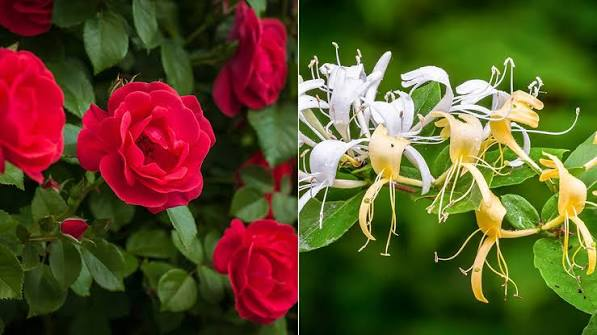
A rose-covered arch can transform an entrance into a romantic garden feature, while a compact shrub rose can bring color to a small border. Climbing varieties can be trained along fences and pergolas, creating height without requiring a large amount of ground space.
Roses also have an important place in The roses cut-flower arrangements. Long-stemmed varieties are particularly useful for bouquets, while cluster-flowering varieties can create a fuller, more abundant look. Combining different flower sizes can make an arrangement feel less formal and more naturally layered.
Fragrance and the Sensory Experience
Color is only one part of a rose’s appeal. Fragrance can completely change the experience of growing roses. Some varieties have a rich, traditional rose scent, while others have lighter, fruity, spicy, or tea-like notes. Two roses that look almost identical may smell remarkably different.
For gardeners who care about fragrance, choosing a rose should involve more than looking at a catalog photograph. Whenever possible, visiting a rose garden or nursery while plants are flowering can provide a much better sense of their scent, growth habit, and overall character.
Roses can also become part of everyday rituals. A few freshly cut blooms can brighten a kitchen table, while dried petals can be used in decorative projects. Rose gardens can attract pollinating insects, adding movement and ecological interest to the landscape.
The greatest value of the roses may be that they combine so many qualities in one plant. They can be ornamental, fragrant, symbolic, practical, and emotionally meaningful at the same time.
Conclusion
The roses are much more than beautiful flowers. They are an extraordinarily diverse group of plants capable of adapting to different garden styles, climates, spaces, and personal tastes. From elegant hybrid teas and generous floribundas to climbing roses that transform garden structures, there is a type suited to almost every purpose.
Their cultural meaning adds another layer of fascination. Different colors and arrangements can communicate love, friendship, gratitude, remembrance, celebration, or personal expression. Yet the most meaningful rose is often the one connected to a particular memory or relationship.
For gardeners, success comes from understanding the plant rather than simply admiring the flower. Good sunlight, healthy soil, appropriate watering, thoughtful pruning, and regular observation create the foundation for vigorous plants and abundant blooms.
Whether grown in a large garden, trained over an arch, planted in a container, or placed carefully in a vase, the roses continue to offer something few other flowers can match: beauty with character, fragrance with memory, and symbolism that can be deeply personal.
10 Frequently Asked Questions About The Roses
1. What are the most common types of roses?
Common groups include hybrid tea roses, floribundas, shrub roses, climbing roses, miniature roses, groundcover roses, and old garden roses. Each group has different growth habits and uses.
2. How much sunlight do roses need?
Most roses prefer several hours of direct sunlight each day. A sunny location with good air circulation generally supports stronger growth and better flowering.
3. How often should roses be watered?
Watering depends on climate, soil, plant age, and weather. Newly planted roses need more consistent moisture, while established plants usually benefit from thorough watering when the soil begins to dry.
4. What is the best soil for roses?
Roses generally prefer fertile, well-draining soil that retains reasonable moisture without becoming waterlogged. Organic matter can help improve poor soil structure.
5. What do red roses symbolize?
Red roses are traditionally associated with romantic love, passion, devotion, and deep affection. Their meaning can also be personalized according to the occasion.
6. What do white roses symbolize?
White roses can represent purity, sincerity, peace, remembrance, and new beginnings. They are commonly used for weddings and commemorative occasions.
7. Why are rose leaves turning black?
Blackened or spotted rose leaves may be associated with fungal diseases such as black spot, although the exact cause depends on the symptoms. Improving airflow and removing severely affected foliage can help reduce problems.
8. Should roses be pruned every year?
Many roses benefit from regular pruning, but the method and timing depend on the variety. Removing dead, damaged, and poorly positioned growth can help maintain a healthy structure.
9. Can roses grow in containers?
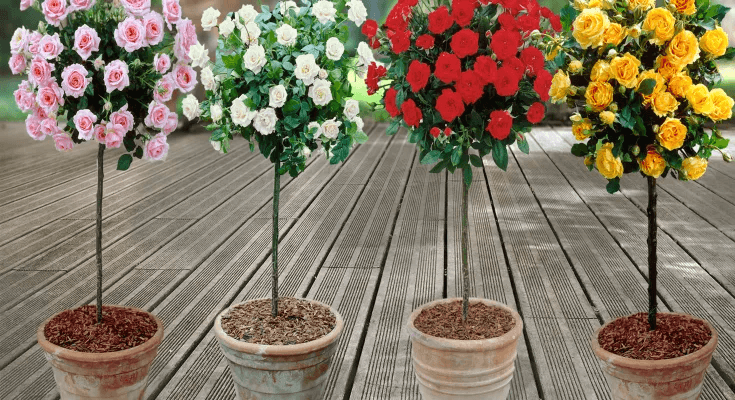
Yes. Compact and miniature roses can perform well in containers when provided with suitable soil, adequate drainage, sufficient sunlight, regular watering, and an appropriately sized pot.
10. Which roses have the strongest fragrance?
Fragrance varies significantly between varieties. Many old-fashioned roses are prized for rich scents, while some modern roses have distinctive fruity, spicy, or tea-like fragrances. The best choice depends on the type of scent you prefer.












Leave a Reply