

Introduction
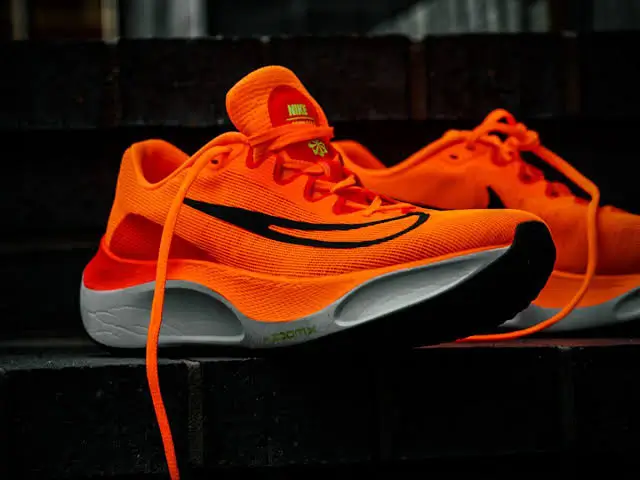
The Nike Zoom Fly 5 sits in an interesting space within Nike’s running lineup. It is designed to feel fast, but it is not limited to race day. The shoe combines a substantial midsole, a carbon-fiber plate, a relatively stable platform, and a durable outsole to create a model aimed at runners who want speed without giving up too much comfort.
What makes the Nike Zoom Fly 5 particularly interesting is its versatility. Some runners may use it for tempo sessions, while others may prefer it for longer training runs or occasional races. It has a noticeably different personality from a traditional lightweight daily trainer. The ride is structured, energetic, and built around forward momentum.
For runners considering this shoe, however, the real question is not simply whether it is fast. The more useful question is whether its design matches your running style, pace, foot shape, and preferred level of cushioning. Understanding those details can make the difference between an enjoyable pair of running shoes and one that spends most of its time in the closet.
1. What Makes the Nike Zoom Fly 5 Different?
The Nike Zoom Fly 5 was developed around the idea of bringing some race-shoe characteristics into a training-friendly package. One of its defining features is the carbon-fiber plate positioned within the midsole. The plate is designed to create a more propulsive sensation as the runner moves through the stride, particularly when running at faster speeds.
Unlike extremely aggressive racing shoes, the Zoom Fly 5 has a fairly substantial underfoot platform. That gives the shoe a more protective and stable feel. The result is a combination that can appeal to runners who enjoy the sensation of a plated shoe but do not want an ultra-minimal, highly aggressive racing model.
A Shoe Built for Forward Movement
The geometry of the shoe encourages Nike Zoom Fly 5 a rolling sensation through the stride. When running efficiently, many people will notice that the shoe seems to encourage them to move from landing toward toe-off without requiring excessive effort from the foot.

That sensation becomes more noticeable as the pace increases. At an easy jogging speed, the shoe can feel more structured than a conventional trainer. During tempo runs, intervals, or sustained efforts, however, its design makes more sense. The plate and midsole work together to create a feeling of momentum rather than simply soft cushioning.
2. Cushioning and Midsole Performance
One of the biggest strengths of the Nike Zoom Fly 5 is its substantial cushioning. Nike uses ZoomX foam in the midsole, giving the shoe a softer and more energetic character than its relatively firm and structured appearance might suggest.
The cushioning is particularly useful during longer runs because it provides a considerable amount of material between the foot and the road. Runners who regularly spend a significant amount of time on pavement may appreciate that additional protection. Rather than feeling extremely close to the ground, the shoe provides a noticeable platform underneath the foot.
Softness Versus Stability
The cushioning does not make the shoe feel like a soft, loose comfort trainer. The carbon-fiber plate and the shape of the midsole give it structure. That balance is one of the more interesting aspects of the Nike Zoom Fly 5.
Runners who prefer extremely soft shoes may find it firmer and more controlled than expected. On the other hand, runners who dislike unstable, overly squishy midsoles may appreciate the additional structure. It is a shoe that attempts to combine comfort with a purposeful running sensation rather than focusing entirely on softness.
This makes it especially appealing for runners who want one pair for demanding training sessions and longer efforts. The cushioning can help reduce the harsh feeling that sometimes comes with running quickly on hard surfaces, while the plated construction adds a more responsive character.
3. Fit, Upper Design, and Everyday Comfort
Fit is one of the most personal aspects of any running shoe, and the Nike Zoom Fly 5 is no exception. The upper is designed to hold the foot securely while still allowing enough room for normal movement. The overall construction gives the shoe a performance-oriented feel rather than the loose, casual sensation of a lifestyle sneaker.
A secure fit matters even more when running quickly. During tempo sessions or intervals, excessive movement inside the shoe can become distracting. A well-fitting Zoom Fly 5 should keep the heel and midfoot reasonably secure while allowing the toes enough room to spread naturally.
Choosing the Right Size
Runners should not automatically assume that their usual Nike size will feel identical in every model. Foot shape, socks, personal preference, and even running distance can affect the ideal fit.
For longer runs, a little extra space around the toes can be useful because feet often swell as the distance increases. A shoe that feels perfect during a five-minute try-on may become uncomfortable after an hour if the toe box is too restrictive.
The best approach is to make sure the heel feels secure without excessive pressure, while the forefoot allows comfortable toe movement. The shoe should feel snug enough for controlled running but not so tight that it creates pressure points.
4. How the Nike Zoom Fly 5 Performs on Different Runs
The Nike Zoom Fly 5 is most interesting when used for the types of running it was designed to support. It can handle easy running, but its personality becomes clearer when the pace starts to increase.
For tempo workouts, the shoe can provide a useful combination of cushioning and propulsion. A runner completing several miles at a comfortably hard pace may appreciate the structured transition from heel or midfoot contact toward toe-off. The plate adds a distinctive sensation that is not normally found in ordinary daily trainers.
Long Runs
Long-distance training is another area where the shoe can make sense. The generous cushioning provides protection during extended periods on pavement, while the platform helps maintain a consistent stride.
For runners preparing for a half marathon or marathon, the shoe may work particularly well during selected long training sessions. It can provide some of the sensations associated with faster footwear while still offering enough cushioning for substantial mileage.
That said, not every runner will want a plated shoe for every long run. Easy recovery sessions can sometimes feel more natural in a flexible daily trainer. The Zoom Fly 5 is better suited to runs where the runner wants a little more energy and structure.
Speed Sessions
Short, explosive intervals are a more complicated matter. The shoe can certainly be used for faster running, but it is not necessarily the ideal tool for every type of speed workout.
Its relatively substantial construction can feel different from a lightweight track shoe. For controlled road intervals, progression runs, and tempo efforts, it can be very effective. For extremely short sprints where minimal weight and maximum flexibility are priorities, another type of shoe may feel more natural.
5. Durability, Outsole, and Road Use
A fast shoe is not particularly useful if its outsole disappears after a few weeks. The Nike Zoom Fly 5 has an outsole designed with regular road running in mind, providing protection in the areas that experience repeated contact with the pavement.
Durability will always depend on factors such as running frequency, body weight, running surface, weather, and individual gait. Someone who runs several miles every day on rough asphalt will naturally place more stress on the outsole than someone who uses the shoe twice a week on smooth roads.
The shoe’s substantial construction also contributes to its sense of durability. It does not feel like a delicate racing flat designed only for a handful of events. Instead, it occupies a middle ground between performance footwear and serious training equipment.
Road Versatility
The Nike Zoom Fly 5 is primarily suited to paved roads and other relatively smooth surfaces. Its geometry and outsole are designed around road running rather than technical trails.
It can handle ordinary sidewalks and paved paths, but runners should be cautious on loose gravel, muddy surfaces, or uneven trails. The shoe’s plated construction is most useful when the ground is predictable enough for the runner to maintain a consistent stride.
6. Who Should Consider the Nike Zoom Fly 5?
The Nike Zoom Fly 5 can be a strong choice for runners who enjoy a structured, responsive ride and want more cushioning than a traditional lightweight speed shoe provides.
It may particularly suit runners who regularly perform tempo runs, progression workouts, longer road sessions, or race-specific training. It can also appeal to someone who wants to experiment with a plated shoe without immediately moving into an extremely aggressive racing model.
However, it may not suit everyone. Runners who prefer highly flexible shoes may find the plate and geometry restrictive. Likewise, people who want an exceptionally lightweight shoe may prefer a different model.
Beginners and Experienced Runners
Beginners can use Nike Zoom Fly 5 plated shoes, but they should not assume that a carbon plate automatically makes running easier. Running form, training volume, recovery, and appropriate pacing remain much more important.
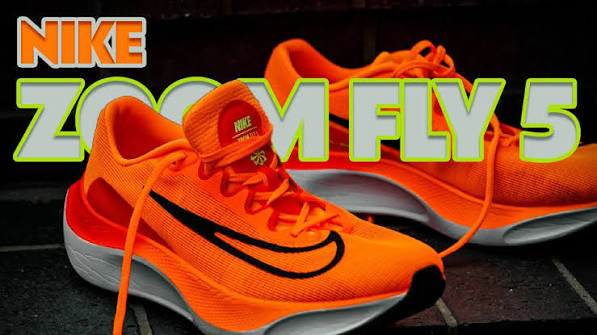
More experienced runners may have an easier time understanding what they like about the shoe because they have already tried different midsole foams, geometries, and levels of stiffness. They may notice the difference between a traditional trainer and the more guided sensation of the Zoom Fly 5.
Ultimately, the best use of the shoe depends on the runner. Someone who loves a firm, responsive and structured ride may enjoy it immediately, while someone who prefers a flexible and soft shoe may never fully appreciate its design.
7. Is the Nike Zoom Fly 5 Good for Racing?
The Nike Zoom Fly 5 can be used for racing, particularly by runners who prioritize cushioning and stability over having the lightest possible shoe. Its plated construction provides a performance-oriented feel that can be useful during longer races.
For a half marathon, for example, some runners may appreciate the combination of cushioning and forward momentum. The shoe can also make sense for marathon-distance racing for athletes who value protection underfoot and prefer a more substantial platform.
However, racing performance is highly individual. Elite or highly competitive runners may choose a lighter, more specialized racing shoe. Recreational runners, meanwhile, may find that the additional comfort and stability of the Zoom Fly 5 are more valuable than saving a small amount of weight.
The best racing shoe is ultimately the one that feels predictable and comfortable at race pace. A shoe that looks fast on paper but causes discomfort after several miles is unlikely to be the right choice.
Conclusion
The Nike Zoom Fly 5 is an interesting running shoe because it does not try to be just one thing. It combines a substantial amount of cushioning with a carbon-fiber plate and a stable, structured platform. That combination gives it a distinct personality suited to runners who want speed-oriented performance without giving up the protection needed for longer sessions.
It is particularly appealing for tempo runs, long training efforts, progression workouts, and road races where cushioning and stability matter. At the same time, its relatively structured construction means that runners who prefer highly flexible or extremely lightweight shoes may want to look elsewhere.
The biggest takeaway is simple: the Nike Zoom Fly 5 works best when its design matches the runner. If you enjoy a supportive, cushioned and propulsive ride, it can be a valuable addition to a running rotation. If your preference is for a soft, flexible and natural-feeling trainer, its plated structure may take some adjustment.
10 Frequently Asked Questions About Nike Zoom Fly 5
1. What is the Nike Zoom Fly 5 designed for?
The Nike Zoom Fly 5 is designed primarily for faster training, long runs, tempo sessions, progression workouts, and road racing. Its carbon-fiber plate and cushioned midsole give it a performance-oriented ride.
2. Is the Nike Zoom Fly 5 good for beginners?
Yes, beginners can use the shoe, provided it fits comfortably and matches their running needs. However, beginners should focus on gradually increasing mileage and building good running habits rather than relying on the shoe to improve performance.
3. Is the Nike Zoom Fly 5 a racing shoe?
It can be used for racing, particularly in longer road events. However, its substantial construction means it is different from extremely lightweight shoes designed specifically for elite-level racing.
4. Is the Nike Zoom Fly 5 good for long-distance running?
Yes. Its cushioning and structured platform make it suitable for longer road runs. Many runners may find the additional underfoot protection useful during extended training sessions.
5. Does the Nike Zoom Fly 5 have a carbon-fiber plate?
Yes. A carbon-fiber plate is one of the shoe’s defining features. It contributes to the shoe’s stiffness and forward-propelling sensation.
6. Is the Nike Zoom Fly 5 comfortable?
Comfort depends heavily on individual foot shape and personal preference. Runners who enjoy structured cushioning may find it comfortable, while those who prefer highly flexible shoes may need some adjustment.
7. Can you use the Nike Zoom Fly 5 for everyday running?
You can, but it may not be the most natural choice for every easy run. Its plated construction and performance-focused design make it particularly useful when you want a more responsive and structured ride.
8. Is the Nike Zoom Fly 5 suitable for marathon training?
Yes. It can be useful during marathon preparation, especially for long runs, tempo workouts, and race-specific sessions. Runners may still choose a softer or more flexible shoe for easy recovery days.
9. Is the Nike Zoom Fly 5 suitable for trail running?
The shoe is primarily designed for roads and smooth paved surfaces. It is not intended to replace a dedicated trail-running shoe on technical, muddy, rocky, or highly uneven terrain.
10. Who should buy the Nike Zoom Fly 5?
The shoe is best suited to runners who want a combination of cushioning, stability and plated responsiveness. It is especially worth considering if you enjoy tempo running, longer road workouts, or a more structured performance shoe.












Leave a Reply