

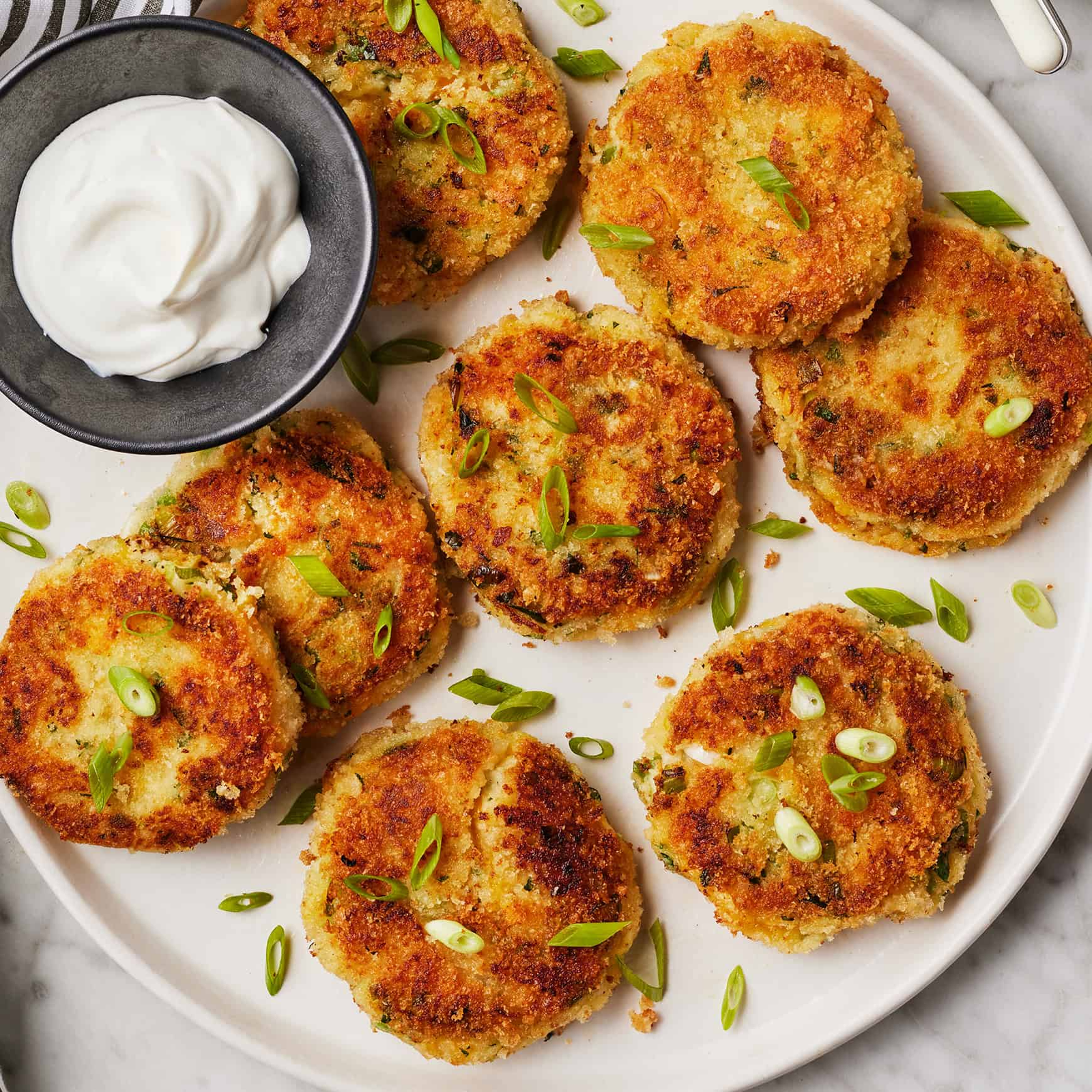
If you want a simple comfort-food recipe that turns everyday ingredients into something crispy, golden, and satisfying, this potato pancake recipe is an excellent choice. Made with grated potatoes, onion, egg, flour, and simple seasonings, these homemade potato pancakes develop beautifully crisp edges while staying tender and flavorful inside.
Potato pancakes are versatile enough for breakfast, brunch, lunch, dinner, or a quick snack. Serve them with sour cream, applesauce, fresh herbs, yogurt sauce, or your favorite dip for an easy meal that feels homemade without requiring complicated techniques.
The secret to crispy potato pancakes is not a long ingredient list. It comes down to a few important details: choosing starchy potatoes, removing excess moisture, using enough hot oil, keeping the pancakes reasonably thin, and giving them enough space in the skillet.
This guide explains how to make potato pancakes from scratch, which potatoes work best, how to keep them crispy, why they sometimes fall apart, how to store and reheat them, and how to customize the basic recipe with cheese, herbs, spices, and vegetables.
Potato Pancake Recipe at a Glance
- Prep time: 15–20 minutes
- Cook time: 15–20 minutes
- Total time: About 30–40 minutes
- Servings: 4
- Yield: About 8–12 medium pancakes
- Main ingredient: Potatoes
- Cooking method: Pan-frying
- Texture: Crispy outside, tender inside
What Is a Potato Pancake?
A potato pancake is a savory dish made primarily from grated or shredded potatoes. The potatoes are usually mixed with onion, egg, flour, salt, and pepper before being shaped into small, relatively thin pancakes and cooked in hot oil.
Different cultures prepare potato pancakes in their own ways, Potato Pancake Recipe so recipes can vary in ingredients, thickness, seasoning, and cooking method. Some versions are very simple, while others include cheese, herbs, garlic, or additional vegetables.
The appeal of a good potato pancake comes from its contrast in texture. The outside should become golden and crisp, while the center remains tender and full of potato flavor.
Because potatoes are inexpensive and widely available, potato pancakes are also an economical recipe that can turn a few basic ingredients into a satisfying meal or side dish.
Ingredients for This Potato Pancake Recipe
The ingredient list is short, but each ingredient plays an important role in the final texture.
Potatoes
Use 4 medium-to-large russet potatoes, preferably starchy ones. Potato Pancake Recipe potatoes are a particularly good choice because their relatively high starch content and lower moisture help the pancakes become crisp.
Yukon Gold potatoes can also work if you prefer a slightly creamier interior and richer potato flavor.
Onion
Use 1 small yellow or white onion. Grated onion blends easily with the shredded potatoes and adds savory flavor throughout the pancakes.
Egg
One large egg helps bind the potatoes and gives the Potato Pancake Recipe mixture enough structure to hold together during frying.
All-Purpose Flour
Use 2–3 tablespoons of all-purpose flour. Flour absorbs some of the remaining moisture and helps the pancakes maintain their shape.
Avoid adding too much because an overly flour-heavy mixture can become dense rather than crisp.
Seasonings
Use:
- 1 teaspoon salt, or to taste
- ½ teaspoon black pepper
You can adjust the seasoning according to your preference.
Oil
Use approximately ¼ to ½ cup neutral cooking oil, Potato Pancake Recipe depending on the size of your skillet and the amount needed to create a shallow layer for frying.
Vegetable or canola oil works well because both have a relatively neutral flavor.
Optional Ingredients
Once you are comfortable with the basic recipe, you can add:
- 1 minced garlic clove
- 2 tablespoons chopped green onions
- 1–2 tablespoons fresh parsley
- ½ teaspoon paprika
- A pinch of chili flakes
- ¼–½ cup shredded cheese
- Fresh chives
- Dried herbs
Add optional ingredients gradually so they Potato Pancake Recipe do not make the mixture excessively wet.
How to Make Potato Pancakes Step by Step
Step 1: Prepare the Potatoes
Peel the potatoes for a smoother texture, or leave the skins on for a more rustic result. If you keep the skins, scrub the potatoes thoroughly under running water before grating them.
Grate the potatoes using the large holes of a box grater Potato Pancake Recipe or a food processor fitted with a shredding attachment.
Avoid processing the potatoes into a smooth puree. Shredded potatoes provide the texture and crisp edges that make these pancakes enjoyable.
Step 2: Grate the Onion
Grate the small onion and add it to the grated potatoes.
You can grate the onion separately and mix it in afterward, or grate it directly into the bowl. Both methods work.
Step 3: Remove Excess Moisture
This is one of the most important steps in the entire recipe.
Transfer the grated potato and onion mixture to a clean kitchen towel Potato Pancake Recipe or cheesecloth. Gather the towel around the mixture and squeeze firmly over a bowl or sink.
Continue squeezing until you have removed a substantial amount of liquid.
You do not need to make the potatoes completely dry. The goal is to remove excess moisture so the pancakes can develop a crisp surface without losing the moisture needed for binding.
Step 4: Optional Potato-Starch Technique
For extra binding and crispness, let the liquid squeezed from the potatoes sit undisturbed for a few minutes.
The heavier potato starch may settle at the bottom of the bowl. Carefully pour off the watery liquid while leaving the settled starch behind.
Add that starch back to the shredded potato mixture.
This step is optional, but it can help improve the texture without Potato Pancake Recipe requiring extra flour.
Step 5: Mix the Ingredients
Place the squeezed potatoes and onion in a large mixing bowl.
Add:
- 1 large egg
- 2 tablespoons flour
- 1 teaspoon salt
- ½ teaspoon black pepper
Mix thoroughly.
If the mixture still looks unusually wet, add the remaining tablespoon Potato Pancake Recipe of flour. Avoid adding all the flour automatically because potatoes vary in moisture.
The finished mixture should be moist but not watery and should hold together when pressed into a small portion.
Step 6: Heat the Skillet
Place a heavy skillet over medium to medium-high heat.
Add enough oil to create a shallow layer across the bottom of the pan, generally around ¼ inch depending on the skillet.
Allow the oil to heat before adding the potato mixture.
The oil should be hot enough that a small piece of potato mixture Potato Pancake Recipe sizzles immediately when added.
Avoid letting the oil smoke heavily. If it begins smoking, reduce the heat slightly.
Step 7: Form the Pancakes

Scoop approximately 2–3 tablespoons of potato mixture into the hot skillet for each pancake.
Flatten each portion with the back of a spoon or spatula until it is approximately ¼ inch thick.
Keeping the pancakes moderately thin helps the center cook before the exterior becomes overly dark.
Leave space between each pancake so the oil temperature does not drop too much.
Step 8: Fry the First Side
Cook the pancakes for approximately 3–5 minutes on the first side, Potato Pancake Recipe depending on their thickness and your heat level.
Do not constantly move them around.
Wait until the bottom is deep golden brown and the edges look firm before attempting to flip them.
Step 9: Flip and Finish Cooking
Carefully turn each pancake with a wide spatula.
Cook the second side for another 3–5 minutes, or until golden brown and cooked through.
If the outside is browning too quickly while the center Potato Pancake Recipe remains undercooked, reduce the heat slightly.
Step 10: Drain Properly
Transfer the finished pancakes to a wire rack set over a baking sheet or to a plate lined with paper towels.
A wire rack is especially useful when preparing multiple batches because air can circulate underneath the pancakes and reduce the chance of soggy bottoms.
How Do You Make Potato Pancakes Crispy?
The most important technique for crispy potato pancakes is removing excess moisture from the grated potatoes.
Wet potatoes release steam during cooking, which can interfere with Potato Pancake Recipe browning. Squeezing the potatoes thoroughly allows the surface to fry more effectively.
For consistently crispy results:
- Use starchy potatoes such as russets.
- Squeeze out excess liquid.
- Do not add excessive flour.
- Preheat the skillet and oil.
- Keep the pancakes relatively thin.
- Avoid overcrowding the pan.
- Let the first side form a crust before flipping.
- Drain the pancakes on a wire rack when possible.
- Avoid stacking them while they are steaming hot.
The goal is to remove excess moisture, not every drop of liquid. A little moisture Potato Pancake Recipe helps the potatoes bind and keeps the center tender.
What Are the Best Potatoes for Potato Pancakes?
Russet potatoes are one of the best choices for crispy potato pancakes. Their high starch content helps the grated potatoes form a firm, golden crust.
Yukon Gold potatoes are another good option. They usually produce Potato Pancake Recipe a slightly softer and creamier center with a rich potato flavor.
Waxy potatoes can still be used, but they may produce a different texture and can contain more moisture. If you use them, pay extra attention to squeezing the grated potatoes.
Ultimately, preparation matters as much as potato variety. Even starchy potatoes can produce soft pancakes if too much moisture remains in the mixture.
Why Are My Potato Pancakes Falling Apart?
There are several possible reasons potato pancakes may break apart.
Too Much Moisture
This is one of the most common causes. If the grated potatoes are very wet, Potato Pancake Recipe the mixture may not form a strong structure during cooking.
Not Enough Binder
The egg and flour help hold the shredded potatoes together. If the mixture is extremely loose, Potato Pancake Recipe adding a small amount of flour can help.
Flipping Too Early
The pancake needs time to develop a firm crust. Trying to flip it before the bottom is properly browned can cause it to break.
Pancakes Are Too Large
Large pancakes are harder to turn without breaking. Medium-sized pancakes are easier to manage and cook more evenly.
Oil Is Not Hot Enough
If the oil is too cool, the pancake may absorb oil before forming a stable crust.
Common Mistakes When Making Potato Pancakes
Using Wet Potatoes
Failing to squeeze the grated potatoes can result in soft, Potato Pancake Recipe greasy pancakes.
Adding Too Much Flour
Flour should support the mixture, not dominate it. Excess flour can create a heavy or doughy texture.
Starting With Cold Oil
Cold oil prevents the exterior from developing a crisp crust quickly and may cause excessive oil absorption.
Overcrowding the Skillet
Too many pancakes at once can lower the oil temperature. Cook in batches when necessary.
Making Pancakes Too Thick
Very thick pancakes may brown before the potato Potato Pancake Recipe center is fully cooked. A relatively thin pancake gives you a better balance of crispness and tenderness.
Flipping Too Soon
Allow the first side to become golden and firm before turning the pancake.
Stacking Fresh Pancakes
Steam trapped between stacked pancakes can soften their crispy surfaces.
Potato Pancake Recipe Variations
The basic recipe is easy to customize without changing the fundamental cooking technique.
Cheesy Potato Pancakes
Add about ¼ to ½ cup shredded cheddar, mozzarella, or another melting cheese.
Cheese adds richness and a deeper savory flavor. Avoid using excessive cheese Potato Pancake Recipe because it can make the pancakes greasy.
Garlic and Herb Potato Pancakes
Add one minced garlic clove along with chopped parsley, chives, or green onions.
Fresh herbs provide brightness and work especially well with sour cream or a yogurt-based sauce.
Spicy Potato Pancakes

Add paprika, chili flakes, cayenne pepper, or finely chopped fresh chili.
Start with a small amount and increase the spice gradually.
Vegetable Potato Pancakes
Finely grated carrots, spinach, or zucchini can be added for variation.
Because zucchini contains significant moisture, squeeze grated zucchini thoroughly Potato Pancake Recipe before adding it to the potato mixture.
Egg-Free Potato Pancakes
Egg-free versions are possible, but the egg normally provides important binding.
If making an egg-free version, use an appropriate alternative binder and pay close attention to the moisture level. You may need slightly more flour or another starch-based binder to help the pancakes hold together.
Baked Potato Pancakes
To bake instead of pan-frying, preheat the oven to approximately 425°F (220°C).
Place shaped pancakes on a lightly oiled baking sheet and brush or Potato Pancake Recipe spray the tops lightly with oil. Bake for approximately 20–30 minutes, turning them halfway through, until they are browned and cooked through.
Baked pancakes can be convenient and require less frying oil, although they may not develop exactly the same crisp texture as skillet-fried pancakes.
What to Serve With Potato Pancakes
Potato pancakes are versatile enough to work with both sweet and savory accompaniments.
Sour Cream
Cool and creamy sour cream provides a pleasant contrast to hot, Potato Pancake Recipe crispy potatoes.
Applesauce
Applesauce creates a sweet contrast with the savory potato mixture and is a traditional pairing in some styles of potato pancakes.
Fresh Herbs
Chopped parsley, chives, dill, or green onions add freshness and color.
Yogurt-Based Sauces
Plain yogurt mixed with garlic, herbs, lemon juice, or a little salt can make a Potato Pancake Recipe refreshing dipping sauce.
Spicy Dips
Garlic sauce, spicy mayonnaise, or chili-based dips can add extra flavor.
As a Breakfast
Serve potato pancakes with eggs, fresh vegetables, or a simple salad for a filling breakfast or brunch.
As a Side Dish
They also pair well with roasted vegetables, grilled meats, salads, and other savory dishes.
How to Keep Potato Pancakes Crispy
If you are making a large batch, keeping every pancake crispy can be Potato Pancake Recipe challenging.
Place cooked pancakes on a wire rack over a baking sheet rather than stacking them directly on a plate.
If necessary, keep them warm in an oven set to approximately 200°F (95°C) while you finish cooking the remaining batches.
Avoid tightly covering the pancakes because trapped steam can soften the crust.
For the best texture, serve them as soon as possible after cooking.
How to Store Potato Pancakes
Allow leftover pancakes to cool before transferring them to an airtight container.
Refrigerate them and use them within approximately 3–4 days when stored properly.
For longer storage, freeze the pancakes in a single layer first so they do not stick together. Potato Pancake Recipe Once frozen, transfer them to a freezer-safe container or bag.
Label the container with the date to make storage easier to track.
How to Reheat Potato Pancakes
The best reheating method depends on how many pancakes you have.
Skillet
Heat a skillet over medium heat and warm the pancakes until the outside becomes crisp again.
Oven
Place the pancakes in a single layer on a baking sheet and reheat them Potato Pancake Recipe in a preheated oven until hot.
Air Fryer
An air fryer is convenient for restoring crisp edges because circulating hot air helps remove surface moisture.
Microwave
A microwave can heat the pancakes quickly, but it usually makes the exterior softer. If crispness matters, finish them in a skillet, oven, or air fryer.
Tips for Making the Best Potato Pancakes
Choose starchy potatoes: Russets are particularly useful for a crisp exterior.
Remove excess moisture: This is one of the biggest factors Potato Pancake Recipe affecting texture.
Add flour gradually: Use only enough to help the mixture hold together.
Preheat the skillet: Hot oil allows the crust to form quickly.
Keep the pancakes similar in size: Consistent portions cook at approximately the same rate.
Do not overcrowd the pan: Cook in batches if necessary.
Wait before flipping: Let the first side become golden and firm.
Use a wire rack: This helps prevent the cooked bottoms Potato Pancake Recipe from becoming soggy.
Serve immediately: Potato pancakes are at their crispiest when fresh.
Can Potato Pancakes Be Made Ahead of Time?
Yes. Potato pancakes can be cooked ahead of time and reheated later, although freshly cooked pancakes usually have the best texture.
If preparing them in advance, cook them until golden, let them cool, and refrigerate them properly.
When ready to serve, reheat them in a skillet, oven, or air fryer. These methods help restore some of the crisp texture.
For a family meal or gathering, cooking the pancakes in advance Potato Pancake Recipe and reheating them in batches can make serving easier.
How to Make a Lighter Version
If you want to reduce the amount of oil used, you can cook the pancakes in a well-seasoned or nonstick skillet with a smaller amount of oil.
Baking is another option. You can also add vegetables such as grated carrots, spinach, or green onions for additional variety.
Keep in mind that changing the amount of oil or adding moisture-rich vegetables can affect the final texture. The classic combination of shredded potatoes, egg, flour, and oil produces the familiar crisp exterior associated with traditional potato pancakes.
Frequently Asked Questions About Potato Pancakes
1. What are potato pancakes made of?
Potato pancakes are commonly made with grated potatoes, onion, egg, flour, salt, Potato Pancake Recipe pepper, and cooking oil. Additional ingredients such as garlic, cheese, herbs, and spices can be added for different flavors.
2. How do you make potato pancakes crispy?
Squeeze excess moisture from the grated potatoes, use starchy potatoes, Potato Pancake Recipe heat the oil before frying, keep the pancakes relatively thin, and avoid overcrowding the skillet.
3. Why are my potato pancakes soggy?
Excess moisture, low cooking temperature, overcrowding, or stacking hot pancakes can Potato Pancake Recipe all contribute to sogginess. Properly squeezing the potatoes and maintaining enough heat during frying are especially important.
4. What potatoes are best for potato pancakes?
Russet potatoes are an excellent choice because their higher starch content helps create a crisp exterior. Yukon Gold potatoes can also be used for a softer, creamier center.
5. Do you have to peel potatoes for potato pancakes?
No. Peeling is optional. If you keep the skins, wash and scrub the potatoes thoroughly before grating them.
6. Can you make potato pancakes without eggs?
Yes. Egg-free versions can be made with another suitable binder, although Potato Pancake Recipe the texture may differ from the traditional recipe. Careful moisture control becomes especially important.
7. Can potato pancakes be baked instead of fried?
Yes. Bake them at approximately 425°F (220°C) for about 20–30 minutes, turning halfway through. They may be somewhat less crisp than pan-fried pancakes.
8. What should you serve with potato pancakes?
Popular choices include sour cream, applesauce, fresh herbs, yogurt-based sauces, garlic sauce, spicy dips, eggs, and fresh vegetables.
9. Can potato pancakes be frozen?
Yes. Cool the cooked pancakes completely, freeze them in a single layer, and then transfer them to a freezer-safe container or bag. Reheat them in a skillet, oven, or air fryer for better texture.
10. How do you stop potato pancakes from falling apart?
Squeeze excess liquid from the potatoes, use enough egg and flour to bind the mixture, Potato Pancake Recipe make moderately sized pancakes, and wait until the first side has formed a firm crust before flipping.
Final Thoughts
This potato pancake recipe shows how a few everyday ingredients can become a crispy and satisfying homemade dish. The process is simple: grate the potatoes, remove excess moisture, combine them with onion, egg, flour, and seasonings, then cook the mixture in hot oil until golden brown.
The biggest key is moisture control. Properly squeezed potatoes, a properly heated skillet, moderate pancake thickness, and enough cooking space all contribute to a crisp exterior and tender center.
Once you have mastered the basic technique, you can customize the pancakes with cheese, garlic, herbs, spices, or vegetables. Serve them with sour cream, applesauce, or your favorite sauce for a flexible breakfast, Potato Pancake Recipe brunch, side dish, or snack.






Leave a Reply